The Destructive Allure of “Free Money” for Highways
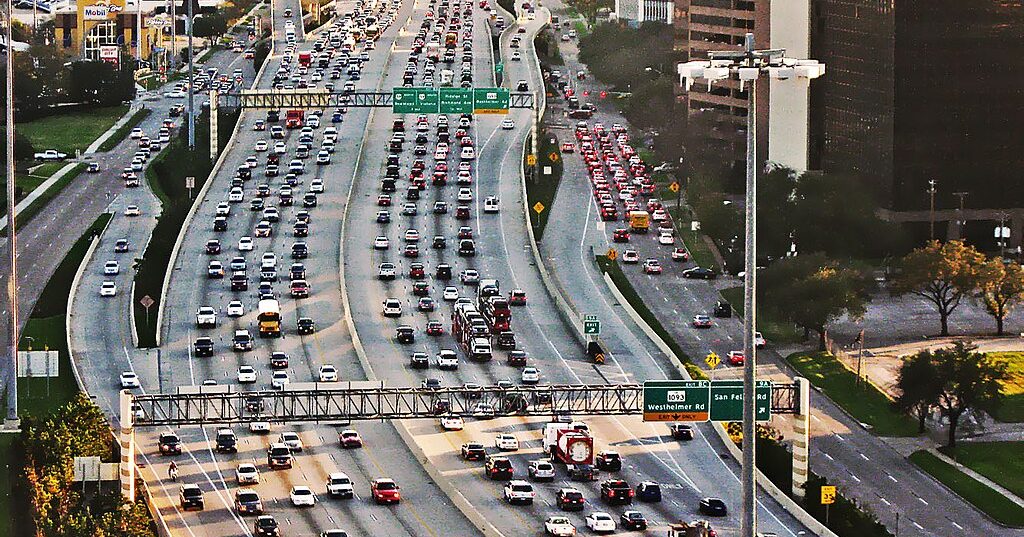
In Patrick Kennedy’s campaign to tear down Interstate 345 in Dallas — a vision he calls anewdallas — he’s running up against the “free money” argument. Since Texas DOT is willing to spend $100 million to rehab the road, the thinking goes, why not let them do it?

Here’s why that whole line of thought just doesn’t stand up, Kennedy writes at WalkableDFW:
The cost of the proposed 345 repair is $100 million for 20 years to keep the thing standing, that nobody wants, from 2020 to 2040. Yay? Some believe if that $100 million is there we should take it. Because why not? Free money.
Well, free money is also what tore apart the functionality and desirability of our core cities by the way of an interstate system never intended to cut through existing neighborhoods. The long-term cost of doing so, while it added to meaningless statistics such as GDP, is virtually incalculable. How would you even calculate replacing an entire city with an entirely new and less sustainable and maintainable city?
Now, let’s get back to that $100 million. If we were to take the $100 million what is our return on that investment? Preventing catastrophe. That is it.
On the other hand, removing the road also prevents catastrophe. It also prevents us from facing the exact same scenario in twenty years.
On top of that it immediately opens 65 acres of public right-of-way underneath an antiquated failing structure for private investment for public good and private gain. Remember, developers are our city builders. We just have to set up a system where they’re delivering the kind of neighborhoods and city we want, in a way they can make profit. Right now, that is not possible with the highways subsidizing the exportation of jobs and tax base further afield.
Elsewhere on the Network today: Joe Urban offers some suggestions for how sustainable transportation could become more ingrained at City Hall in Minneapolis. CincyMap looks at the relationship between transit fares and ridership in Cincinnati. And PubliCola at SeattleMet explains the tactics of NIMBYs who’ve organized to fight against additional housing in the city.

Read More:
Streetsblog has migrated to a new comment system. New commenters can register directly in the comments section of any article. Returning commenters: your previous comments and display name have been preserved, but you'll need to reclaim your account by clicking "Forgot your password?" on the sign-in form, entering your email, and following the verification link to set a new password — this is required because passwords could not be carried over during the migration. For questions, contact tips@streetsblog.org.