Transpo Bill Cuts Bike/Ped Funding, Lets States Spend It on Left-Turn Lanes

NOTE: The facts are even worse than they seemed when I wrote this article. States can flex TA money, not just to CMAQ, but to anything they want. See “The Awful Truth About the Transpo Bill’s Bike/Ped Loophole,” for more.
In the transportation bill agreed to yesterday by Barbara Boxer, John Mica, and other Congressional leaders, the program that allocates federal transportation dollars to local street safety projects like bike lanes, sidewalks and crosswalks has morphed into a much more general fund for anything that can be considered an air quality improvement strategy at all. States have great leeway to shift funds around, and bike/ped projects will have to compete with road projects and much more.
The “Transportation Alternatives” section of the bill says it reduces total funding to 2009 levels for the Transportation Enhancements program for each state. But Caron Whitaker at America Bikes tells Streetsblog that’s actually an error in the bill. In reality, she said in an email, “The funding goes from 1.2 billion [total for Enhancements, Recreational Trails and Safe Routes to School] in FY 2011 to 700 – 750 million under TA.” That’s a drop of up to 42 percent. [UPDATE: The final number is $808 million for 2013 and $820 million — a 33 percent cut.]
“Transportation Alternatives” has also absorbed the Safe Routes to School and Recreational Trails programs, which used to have their own dedicated funding. And, inexplicably, it can be used to fund “planning, designing, or constructing boulevards and other roadways largely in the right-of-way of former Interstate System routes or other divided highways.”
The bill sets the total funding for the Transportation Alternatives program at two percent of total highway funding out of the Highway Trust Fund (not including the Mass Transit account). Then it splits that amount in half, with one part going to local agencies (which are likely to put it to good use) and the other part going to states for them to allocate through a competitive process.
Unless the state doesn’t feel like it.
This opt-out provision is especially damaging to street safety in states where the DOT doesn’t prioritize walking and biking. Starting in the next fiscal year, states that haven’t spent their “Transportation Alternatives” dollars on TA projects can use them for anything else that can be interpreted as improving air quality.
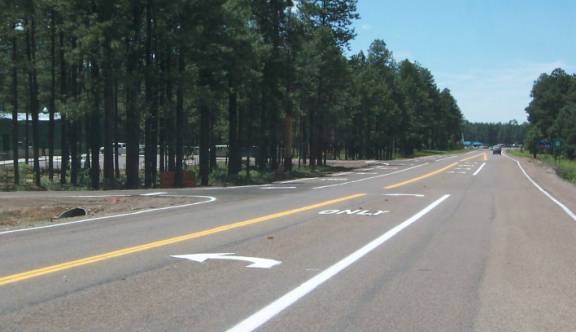
That’s right: The “opt-out” provision for states isn’t use-it-or-lose-it. States that sit on their TA money long enough can use it for things like truck stop electrification systems, HOV lanes, turning lanes, and diesel retrofits [or anything else they like].
Yes, the tiny sliver of federal transportation funding reserved for healthy and environmentally sound transportation choices can be squandered on left turn lanes.

Read More:
Streetsblog has migrated to a new comment system. New commenters can register directly in the comments section of any article. Returning commenters: your previous comments and display name have been preserved, but you'll need to reclaim your account by clicking "Forgot your password?" on the sign-in form, entering your email, and following the verification link to set a new password — this is required because passwords could not be carried over during the migration. For questions, contact tips@streetsblog.org.