Today’s Headlines
As Copenhagen climate talks wind on, a timely reminder that clean transportation can take the U.S. halfway to its emissions reduction goals (HuffPost) LaHood gives Connecticut’s local high-speed rail effort a friendly nudge (News Times) Michigan, home of the U.S. car industry, ranked second-to-last in the nation when it came to fuel-efficiency improvements achieved under … Continued

By
Elana Schor
7:49 AM EST on December 15, 2009
- As Copenhagen climate talks wind on, a timely reminder that clean transportation can take the U.S. halfway to its emissions reduction goals (HuffPost)
- LaHood gives Connecticut’s local high-speed rail effort a friendly nudge (News Times)
- Michigan, home of the U.S. car industry, ranked second-to-last in the nation when it came to fuel-efficiency improvements achieved under the “cash for clunkers” program (Det News)
- Oberstar says his six-year, $500 billion transportation bill is major unfinished business for 2010, but gives no specific timetable (Roll Call)
- To help make midwestern inter-city rail reliable and fast, it has to stop competing with freight rail (Sun-Times)
- Veolia, the French private transit company becoming increasingly popular in the U.S., enters a contract dispute with the transit agency in Austin, TX (American-Statesman)
- Atlanta area county voters back a sales tax increase to pay for light rail, according to a new study (Access North GA)
- Birmingham, AL, puts $9 million in transit upgrades on hold (AL.com)
- Boxer’s message to Copenhagen delegates: “America has already acted” on climate change (Roll Call)

Streetsblog has migrated to a new comment system. New commenters can register directly in the comments section of any article. Returning commenters: your previous comments and display name have been preserved, but you'll need to reclaim your account by clicking "Forgot your password?" on the sign-in form, entering your email, and following the verification link to set a new password — this is required because passwords could not be carried over during the migration. For questions, contact tips@streetsblog.org.
More from Streetsblog USA
Friday’s Headlines Got Charlie Brown Again
Why won't Democrats punt and then try a field goal if and when they take more power next year?

August 14, 2026

Friday Video: How Red Curbs and Bike Racks Can Save Lives
What is daylighting, and how can cities use it to increase street safety?

August 14, 2026
Trump’s New ‘Roadway Safety Strategy’ Leaves Out The Good Parts
The Trump administration’s new blueprint for improving the nation’s poor road-safety record ignores well-established safety measures and leaves vulnerable road users completely out of the picture — a roadmap that advocates said would not change the ongoing road death crisis that is increasingly unique to the United States.

August 14, 2026
Talking Headways Podcast: The Bikeable Forest Of Texas (Yes, Texas!)
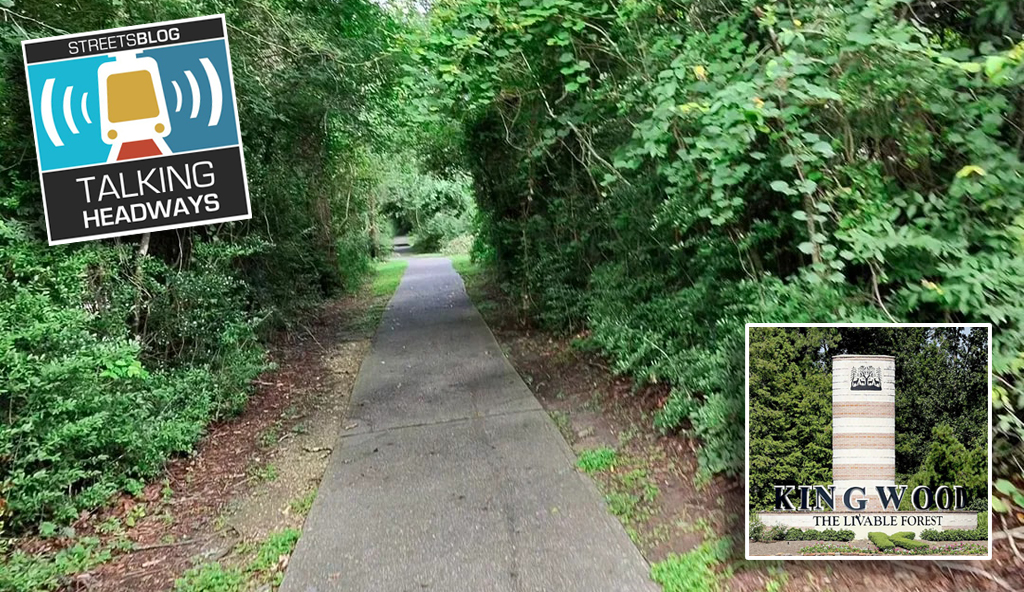
Who knew that there was a town in Texas that even the Dutch would love?

August 13, 2026
Waymo Speaks: We Have More In Common With Urbanists Than You Might Think
The robo-taxi company wants to push back on some recent coverage, so let's have it.

August 13, 2026