

Elderly & Disabled
Basics
Federal Government Doing Nothing On AVs
Right now, Big Auto is developing technologies that will affect every single person in this country — and the federal government is sitting on its hands.

November 26, 2019
Manifesto Promotes ‘Ethics, Equity, and Empathy’
A design firm publishes a new 'credo' for engineers, policymakers, and planners.
September 20, 2019
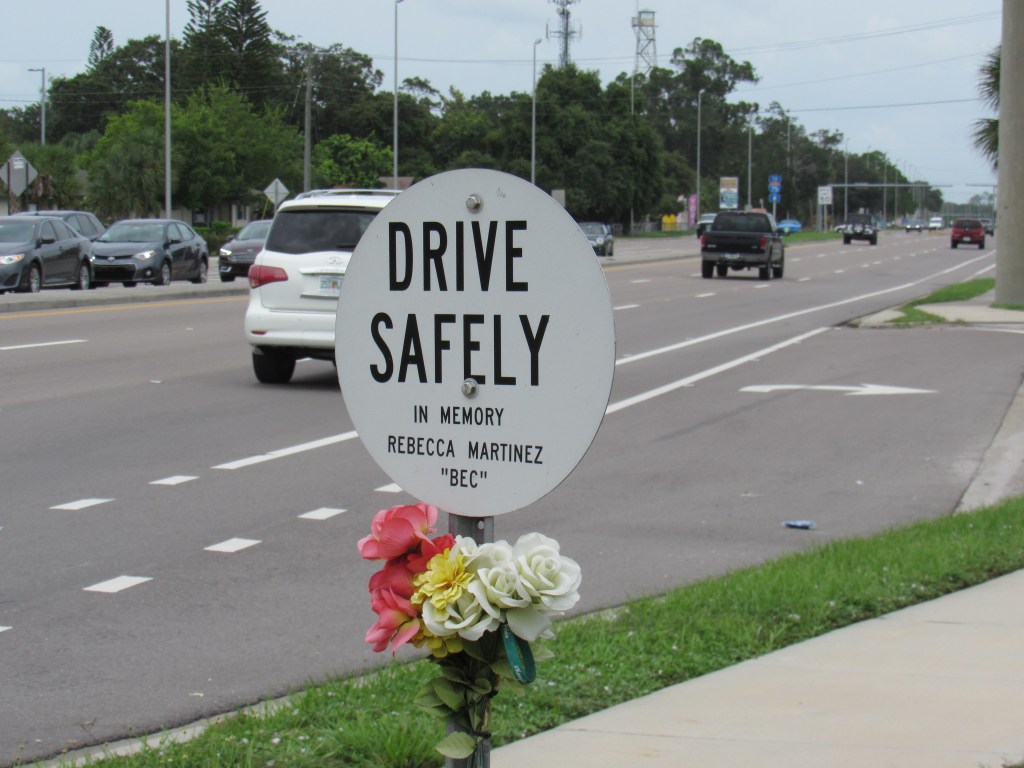
Minnesota Starts Embracing Self-Driving Cars
The state's new strategic transportation plan seeks to prepare Gophers for a driverless future.
August 27, 2019
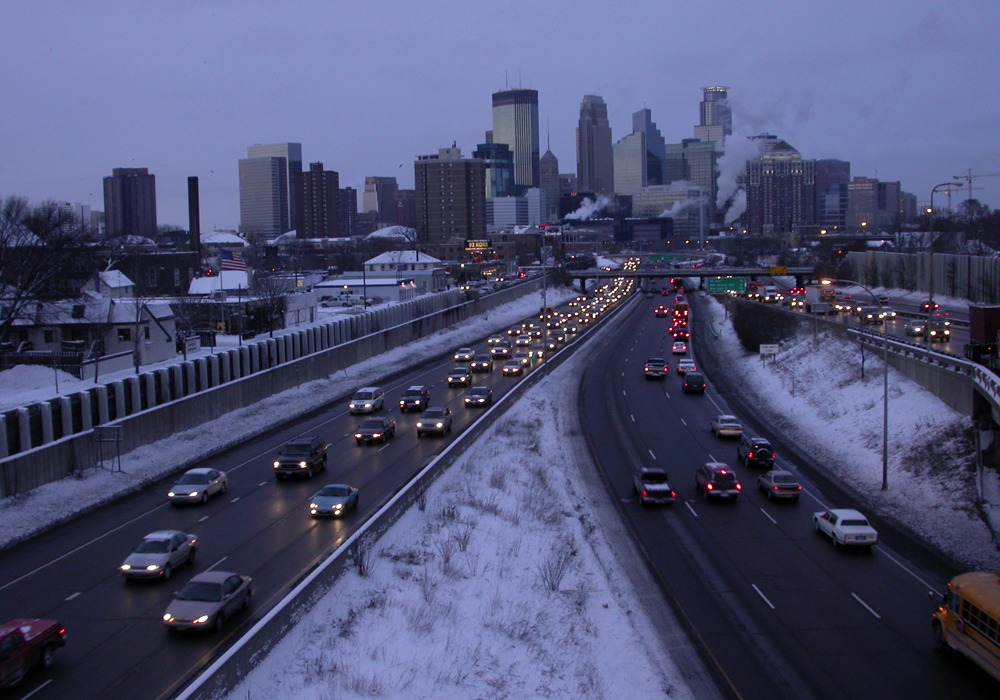
5 Things People Want From Transit as They Grow Older
America is aging -- by 2030, 20 percent of the population will be 65 or older, up from 14 percent today. It's a demographic shift with big implications for urban transportation. Older Americans drive less but still want to get out and experience their cities.

August 4, 2017
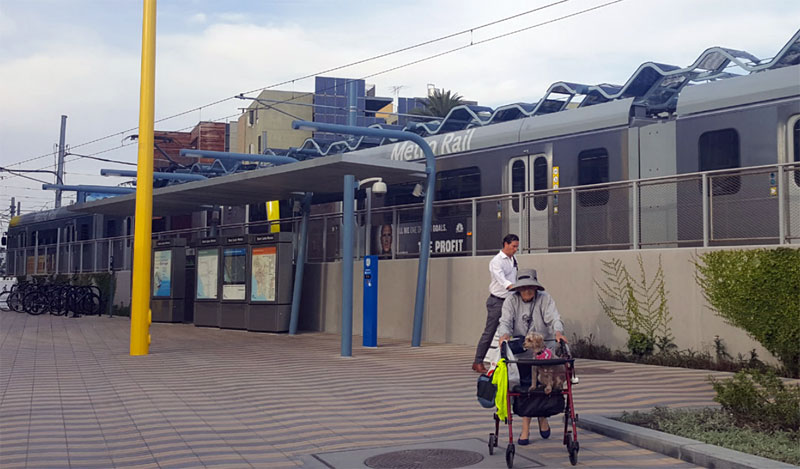
Seniors in the Vegas Suburbs Have to Cross Merciless Streets
Senior citizens in the sprawling Las Vegas suburb of Henderson want a safe way to cross the street. The city promises a fix is on the way, but the problem is far bigger than a single crossing.

May 23, 2017
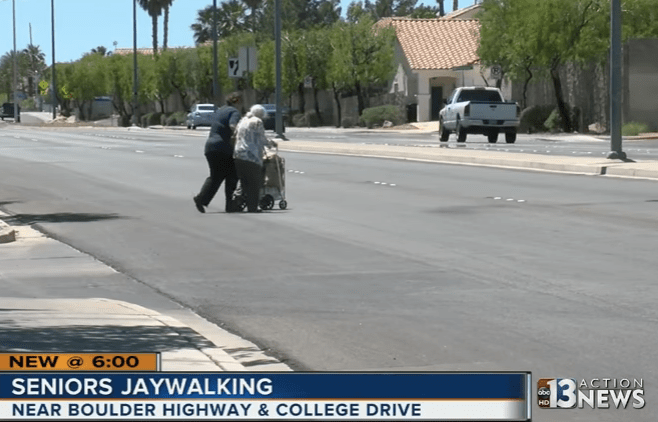
Portland — And Soon, Detroit — Bring Bike-Share to People With Disabilities
Riding a bicycle is too often thought of as an activity that's off-limits for many disabled people. And that has continued to be the case with the bike-share systems getting off the ground in several American cities, which provide standard bicycles meant for the able-bodied. But that's starting to change, thanks to a yearlong effort in Portland that's the first of its kind in the United States.
May 11, 2017
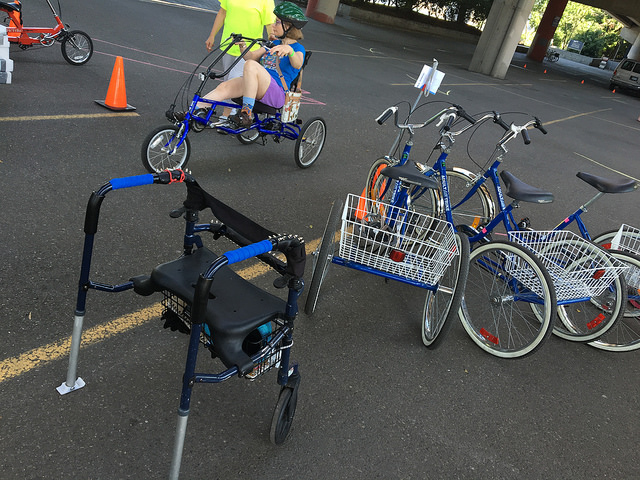
Study Links Walkable Neighborhoods to Prevention of Cognitive Decline
Older adults who live in walkable neighborhoods stay in better shape, physically and mentally, than those who live in car-dependent areas, according to a new study.
November 12, 2014
Study: Baby Boomers Living in Cities Are More Socially Active
As Baby Boomers age, cities seems to be better places for them to get the social interaction they seek, according to a new study published in the Journal of Transport Geography.
May 2, 2014
Richard Florida: Seniors Want Vibrant, Livable Cities Too
When he settled on Miami as his designated spot to escape Toronto winters, urbanist Richard Florida said he expected “all young people with a lot of gel in their hair.” What surprised him was finding a pocket of baby boomer urbanites from cities like Washington, DC, who came to Miami for its arts, diversity and walkability.
June 7, 2013