Wednesday’s Headlines from Around our Nation
Plenty of coronavirus updates, but also some other news for those of you who've had enough. Just one click away!
By
Blake Aued
12:01 AM EDT on March 18, 2020
- The world should be responding to climate change the same way we’re responding to COVID-19 — as an all-hands-on-deck problem. (Grist)
- You can still use an app to hail a ride — just not with more than one person. Thanks to coronavirus, Uber and Lyft have both suspended their carpooling service — which matches riders with others going to the same place and offers cheaper rates — in the U.S. and Canada. Great … more solo car trips. (The Verge)
- Ohio’s decision to cancel Tuesday’s primary shows that Americans should be able to vote by mail, because no one should have to drive to vote (Streetsblog). Meanwhile, Joe Biden swept the three other primaries, effectively putting an end to Bernie Sanders’s race.
- In contrast to many transit agencies that are cutting back service, Houston Metro is running more buses during the coronavirus pandemic. The logic is that more buses means passengers can keep their distance. Makes sense to us (but then again, we don’t have to pay to save the Houston bus system when it goes bankrupt)! (Chronicle)
- Here’s which transit services are running and which are not as San Francisco shelters in place. (NBC Bay Area)
- Burlington is suspending some transit services during the pandemic, but the ones that are still running will be free! (VTDigger)
And now a few non-coronavirus stories we overlooked in the past week:
- The number of vehicles per person in the U.S. is up over the past 10 years, but still below its peak in 2006. (Green Car Congress)
- Tunneling underground to build subways has a huge carbon impact. Surface rail is better for the environment. (Treehugger)
- Hurricane Harvey was a wake-up call for Houston. The city government now gets almost all of its power from renewable resources and is building 1,800 miles of bike lanes in an effort to become carbon neutral by 2050. (Bloomberg)
- A bill to stop Maryland Gov. Larry Hogan from widening two highways outside Washington, D.C. passed out of committee and are headed for a full House of Delegates vote. (Maryland Matters)
- Ridership on Madison’s BCycle doubled in 2019 after e-bikes were added to the fleet. The bike-share reopened Sunday for the 2020 season. (Madison.com)
- The Dutch city of Utrecht is building a car-free residential district that will house more than 12,000 people — and 20,000 bikes. (The Guardian)
- Volunteers pitched in to spruce up the first protected bike lane in downtown Dallas. (Observer)

Blake Aued has been doing Streetsblog's daily national news digest for years. He's also an Atlanta Braves fan, which enrages his editor in New York.
Read More:
Streetsblog has migrated to a new comment system. New commenters can register directly in the comments section of any article. Returning commenters: your previous comments and display name have been preserved, but you'll need to reclaim your account by clicking "Forgot your password?" on the sign-in form, entering your email, and following the verification link to set a new password — this is required because passwords could not be carried over during the migration. For questions, contact tips@streetsblog.org.
More from Streetsblog USA
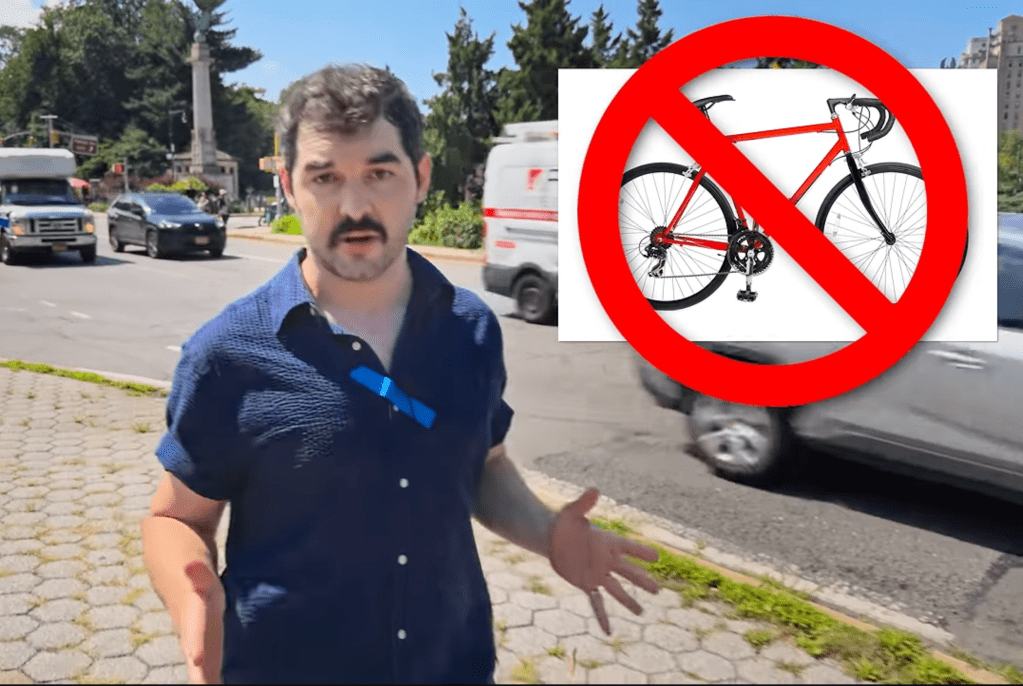
Friday Video: Why America Hates Bikes (And How to Make It Love Them)
Two of our favorite YouTubers teamed up for a great explainer on the history of anti-bike bias in the United States.
September 18, 2026
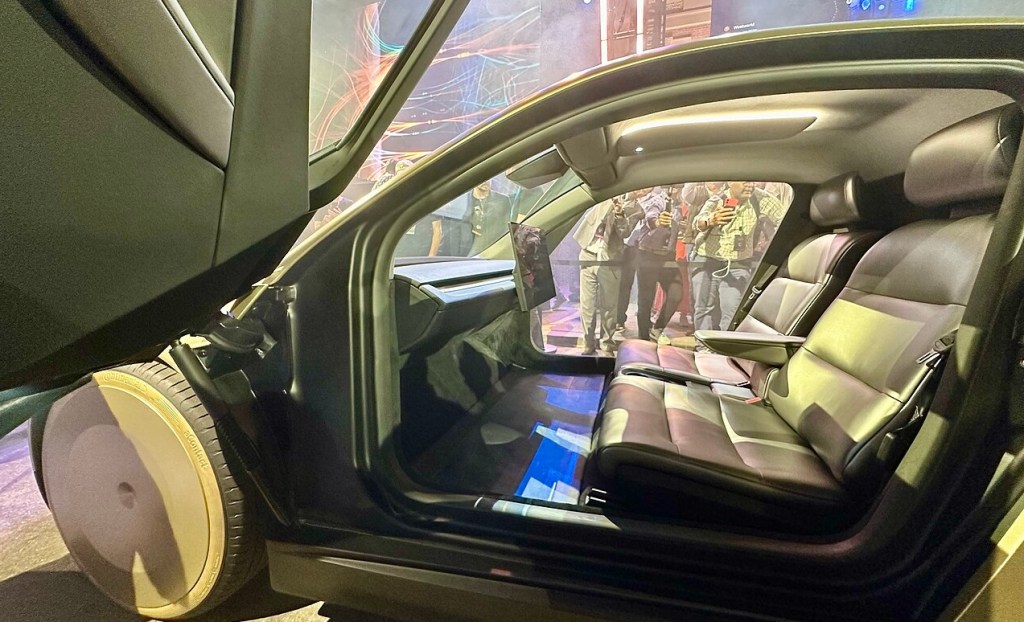
Friday’s Headlines Put the Pedal to the Metal
Oh, wait, there are no pedals? Let me try to pull up the brakes on this touchscreen.
September 18, 2026
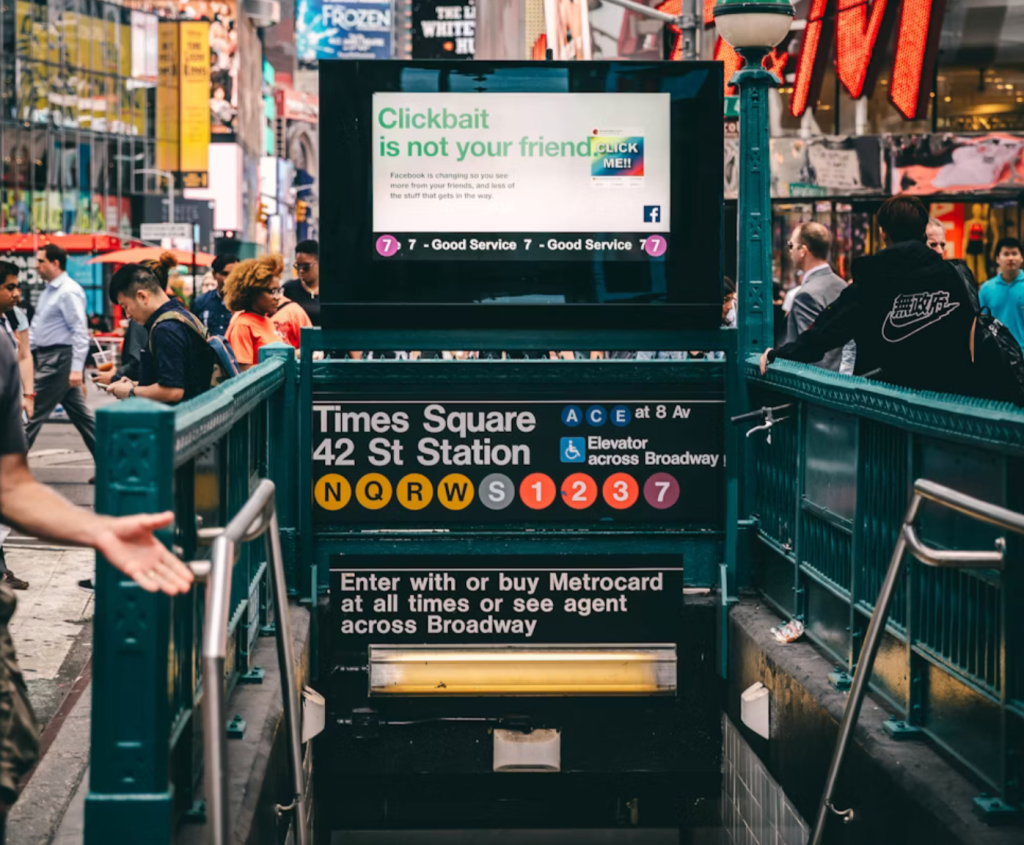
Are Brain-Rot Transit Ads Ruining Our Commutes?
Advertisements give transit systems across the country badly-needed revenue. But how much is too much?

September 18, 2026
Thursday’s Headlines Are a Gas, Gas, Gas
Key House Republicans killed an irresponsible, politically motivated bill to suspend the federal gas tax.
September 17, 2026

Traffic Noise Kills 6,330 Americans a Year; We Stopped Counting in 1982
Removing just five decibels of noise from our neighborhoods would save lives. So why aren't we even measuring it, never mind taking action to quiet our streets?

September 17, 2026