Suburban Atlanta: Where Parking Is Required But Sidewalks Are Not

Buford Highway north of Atlanta is the deadliest road for pedestrians in the region. Though lined with residences of people with low incomes, the high-speed, high-traffic road has no continuous sidewalk. Lacking dedicated infrastructure, pedestrians have worn paths in the grass all around it. (See more photos below.)
Darin at ATLUrbanist says these paths are a stark illustration of inequality built into the region’s transportation system.
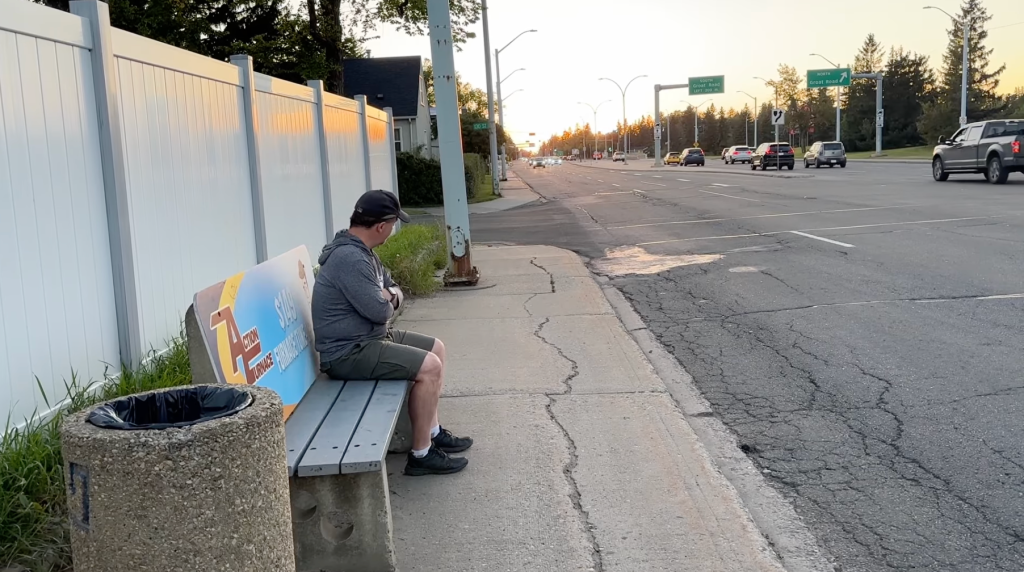
Those cars are in spaces that are mandated as part of minimum parking requirements — requirements that don’t seem to have a relative in regard to pedestrian infrastructure at bus stops.
This is a good metaphor for the second-class state of pedestrians in car-centric places throughout Metro Atlanta. Cars receive a luxurious abundance of infrastructure for both moving and parking, while pedestrians and transit users fight for a safe place on the edges.
You can see “desire paths” like this — where people have worn down the grass in a median from repeatedly walking through it — along many roads in the metro. I remember seeing them along Canton Highway in Cobb County, where I grew up.
Take a look at these desire paths worn into the sidewalk-free Buford Highway turf:


Elsewhere on the Network today: Family Friendly Cities notes that Seattle is opening a new downtown school. And The University of Oklahoma Institute for Quality Communities shares before and after maps showing the damage done by highways and urban renewal in Northeast cities.

Read More:
Streetsblog has migrated to a new comment system. New commenters can register directly in the comments section of any article. Returning commenters: your previous comments and display name have been preserved, but you'll need to reclaim your account by clicking "Forgot your password?" on the sign-in form, entering your email, and following the verification link to set a new password — this is required because passwords could not be carried over during the migration. For questions, contact tips@streetsblog.org.