Cincinnati Streetcar Foes Have New Target: Bike Lanes
Another big transportation showdown is brewing in Cincinnati. This time the fight isn’t over a streetcar — it’s about a protected bike lane.
The Cincinnati Business Courier announced earlier this week that Mayor John Cranley had ordered city officials not to award a contract on the Central Parkway protected bike lane project, which was set to begin this spring. The project — the city’s first protected bike lane — was approved unanimously by City Council last fall.
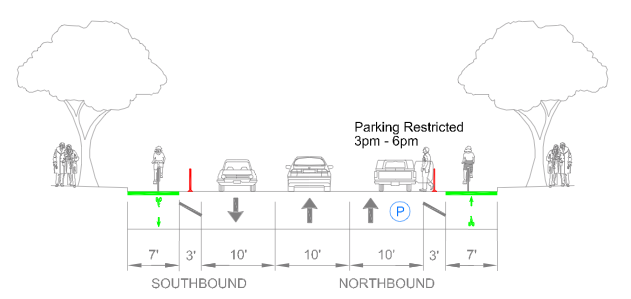
But now that the funding has been awarded and the political process has wrapped up, the mayor and new City Council members Kevin Flynn and David Mann apparently want the project reevaluated, as a result of complaints from one business owner along the corridor. Tim Haines, who runs Relocation Strategies, said he is afraid of his employees losing free public parking. The plans calls for eliminating parking during rush hour.
City Councilman Chris Seelbach told the Business Courier that the mayor doesn’t have the authority to interfere with the awarding of contracts for a project that has already been approved by council. Proponents of the bike lane, many of the same people who successfully fought for the streetcar, are swinging into action, as well. Groups like We Believe in Cincinnati, Queen City Bikes and Cincinnatians for Progress are planning to pack a committee hearing where the project will be under discussion Monday.
“The group that worked to promote and save the streetcar — we’re still organized,” said Randy Simes, founder of the blog Urban Cincy.
Simes says council members Flynn and Mann are using the same rhetoric they used in the streetcar controversy — claiming the project was passed by a “lame duck” council, and smearing the previous administration.
“It’s almost identical [to the streetcar controversy]. It’s funded. It’s funded with outside money. If they change that dramatically they jeopardize the funding,” Simes said. “If they decide to pause too long, they really just kill the project.”
The Central Parkway bike lane would be separated from traffic with plastic bollards at all times, and some stretches would have e a lane of parking protection as well, except during rush hours. The corridor would connect Cincinnati’s Northside neighborhood with downtown and Over-the-Rhine — some of the neighborhoods with the highest rates of cycling. The road is underutilized and paralleled by I-75, which is being widened. The Central Parkway project was funded with a $500,000 state grant plus a $125,000 match from the city, according to the Business Courier.
In an email to supporters yesterday, We Believe in Cincinnati said turning back now would be a mistake:
The city spent over a year gathering input from hundreds of residents, owners, businesses, and community councils… We’re supporting the Central Parkway Bikeway Protected Bike Lane because it is another step forward in Cincinnati providing alternative means of transportation to residents that will drive population and economic growth into the city of Cincinnati.

Read More:
Streetsblog has migrated to a new comment system. New commenters can register directly in the comments section of any article. Returning commenters: your previous comments and display name have been preserved, but you'll need to reclaim your account by clicking "Forgot your password?" on the sign-in form, entering your email, and following the verification link to set a new password — this is required because passwords could not be carried over during the migration. For questions, contact tips@streetsblog.org.