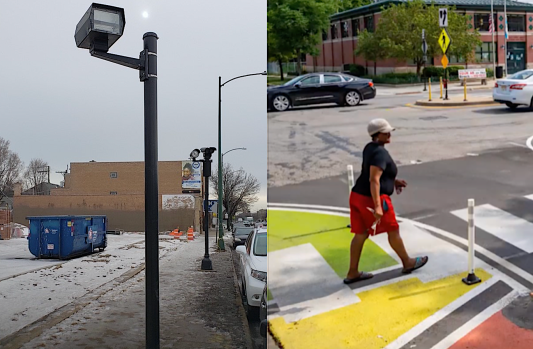
Safety
Basics
American Auto Regulation Isn’t a ‘Model’ for Gun Regulation; It’s a Cautionary Tale
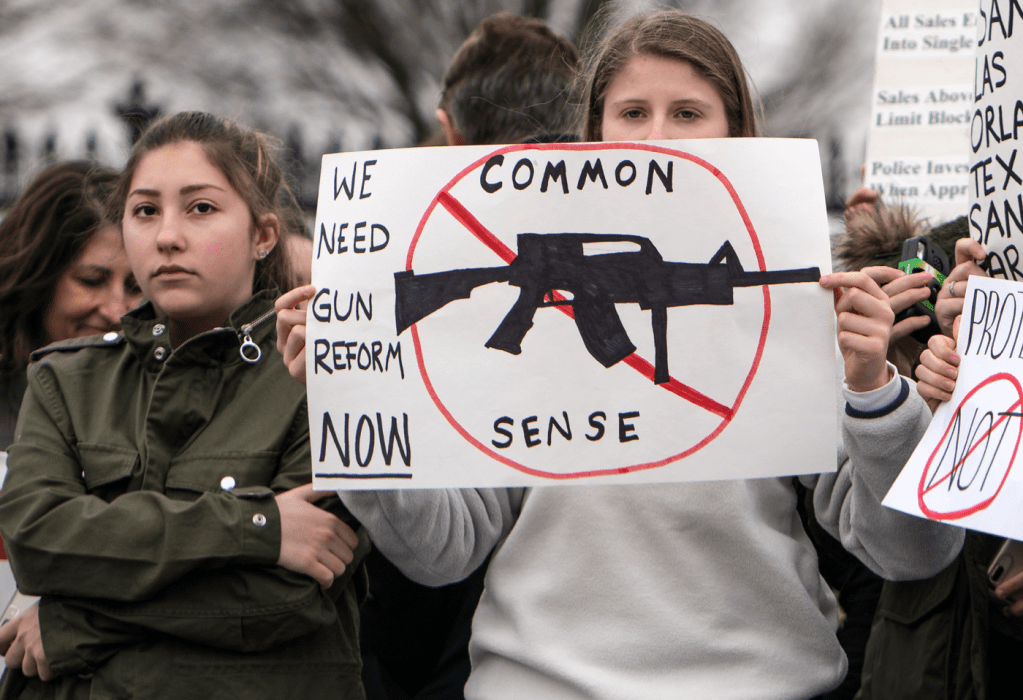
No, NY Times, the auto industry is not the best model for reforming gun laws in this country. In fact, road violence is up, too.

May 27, 2022
Chicago Auto Show producers sponsor contest that produces awful victim-blaming PSAs
Recently Streetsblog contributor A.J. LaTrace discussed the absurdly large SUVs and pickup trucks on display at the Chicago Auto Show. These machines have massive blind spots that make it difficult to detect a child in front of the vehicle, and their absurdly high grilles that basically ensure that a struck pedestrian or bike rider will […]
March 10, 2022
BAD TO WORSE: Study Explains Why Road Violence Increased During the Pandemic
Bad drivers got worse ... and drove more.

February 28, 2022
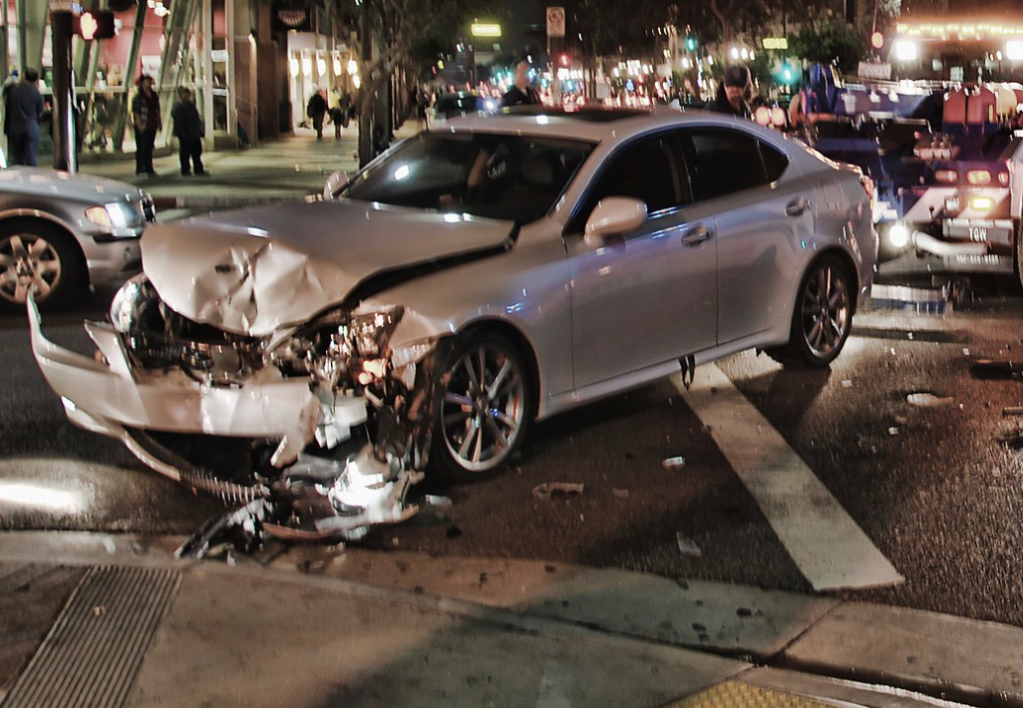
How my Chicago Auto Show tweets reignited the debate over unsafe vehicle design
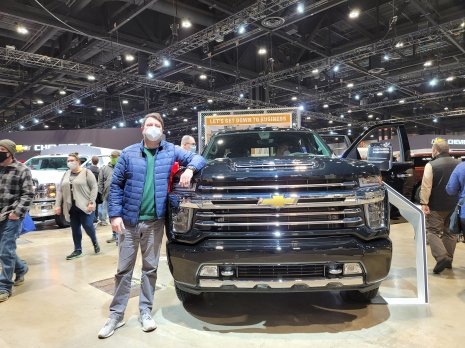
It’s virtually impossible to ignore the increasing size of trucks and SUVs on the roads today. And seeing these vehicles up-close hammered home just how ridiculous this all is.

February 23, 2022
Podcast: John talks with Eben Weiss, aka Bike Snob NYC, about legalizing the Idaho stop
We also discussed why ultimately U.S. cities should be building citywide networks of connected, protected bikeways with logical traffic light timing, so Idaho stop laws become unnecessary.
February 21, 2022

Assemblymember Phil Ting Reintroduces Bill to Decriminalize Jaywalking
Citing statistics that show that jaywalking laws do not make walking safer, Assemblymember Phil Ting introduced a new bill, A.B. 2147, to end the practice of stopping pedestrians that pose no danger to themselves or others when they cross a street.
February 16, 2022
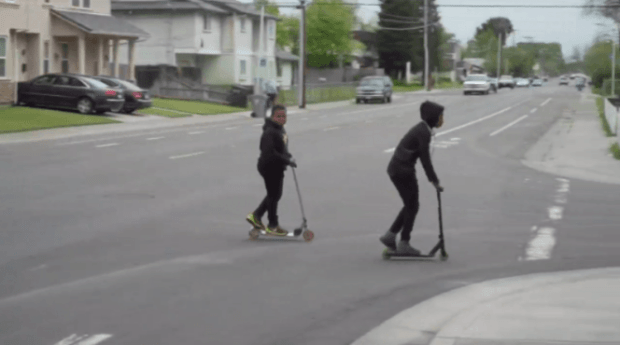
Do-It-Yourself Walk Audit: Identify Ways to Improve Walking Where You Live
By simply walking around, observing, and noting features that allow people to walk safely, anyone can advocate for better conditions for everyone in their neighborhood.
February 15, 2022
‘Solving’ Congestion Creates Worse Problems
Our “cures” for congestion are often worse than the problem.
January 31, 2022
Talking Headways Podcast: Civil Rights on the Road
This week we’re joined by Anna Zivarts from Disability Rights Washington and Paulo Nunes-Ueno from Front and Centered. They join us to talk about the Disability Mobility Initiative and the Mobility Bill of Rights. We also chat about why mobility experiments might make travel harder for disabled travelers and why road safety is a core part of civil rights.

January 20, 2022

What should we do about racial discrepancies in Chicago’s life-saving traffic cam program?
There's no question that the cams are preventing injury and fatality crashes, but Black and Latino motorists and racking up more tickets and suffering financing hardship. Should we reform or abolish it.
January 15, 2022