

Safety
Basics
Three NYC Asphalt Trucks Exploded Last Spring, Raising Safety, Environmental Concerns: Records
The explosions raise questions about the city's decision to use a paving material that other cities have phased out because of safety and environmental risks, an official said.

October 24, 2023

Victims of Sexual Assault in Ubers Band Together for Justice and Reform
The attorneys behind a massive federal lawsuit say the growth-obsessed corporate ride hail model itself bears some of the blame for the crisis.
October 16, 2023
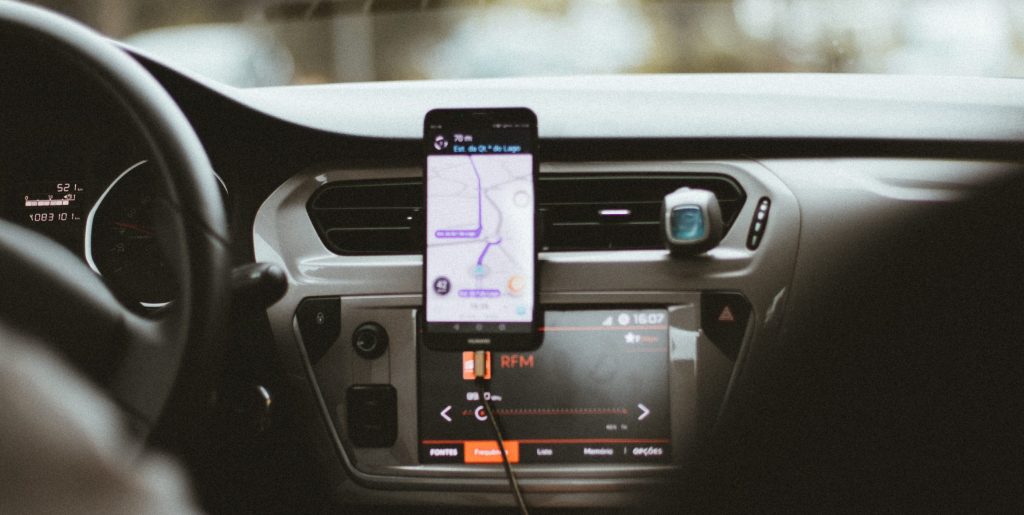
Road Feels Unsafe? Prove It!
Instead of proactively asserting a right for people to walk and roll safely and conveniently outside of a vehicle, the standards used to determine when and where to put safety infrastructure require people to either risk their bodies or experience harm before any paint or concrete are poured.

October 11, 2023

CA Legislature Passes Speed Camera Bill
Now it's up to Governor Newsom to sign it.

September 13, 2023
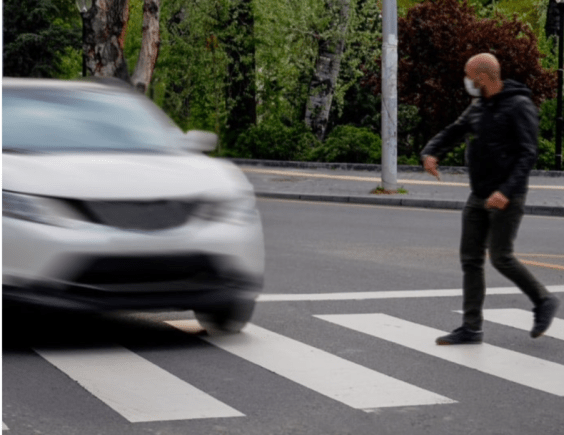
Here We Go Again: Pedestrian Safety Month Means Watch Out, People!
California Highway Patrol supports Pedestrian Safety Month with yet another tone deaf Public Safety Announcement putting the onus for safety on the most vulnerable people using roads.
September 8, 2023
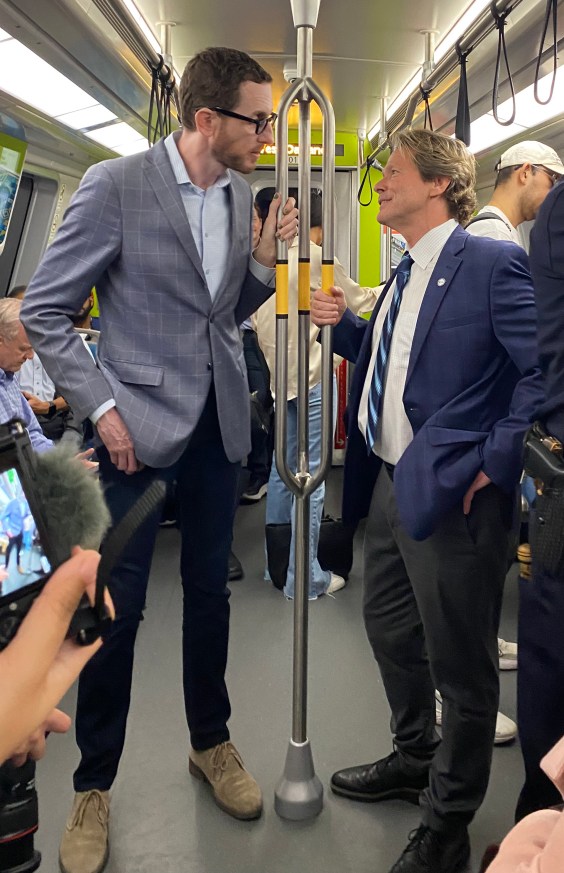
It’s Safe to Ride Transit
BART ridership is still only at about 40 percent of its pre-pandemic levels, and that media-fed perception of danger might be one factor in the slow recovery rate.
August 23, 2023
Advocates React To the Feds’ Latest Offensive Bike Safety PSA
This Fourth of July, we wish we could celebrate true freedom — from terrible public service announcements from our government.
July 4, 2023
Why Regulators Are Ignoring 90% Of ‘Underride’ Crash Deaths — And Not Counting Vulnerable Road Users At All
Every year, hundreds of people die horrific deaths in underride crashes U.S. roads. But a new documentary says regulators aren't counting the vast majority of them — or mandating a simple technology to save their lives.

June 15, 2023
Five Better Ways to Do Traffic Safety Education Beyond PSAs
Too often, road user "education" in the U.S. looks like pedestrian-shaming PSAs, flimsy driver's ed courses, and lame signs on the side of the road. Streetsblog readers say there's a better way.
June 14, 2023
Why So Many ‘Complete Streets’ Plans Are Incomplete
May 31, 2023