Oregon
Basics
THE BRAKE: Why Every City Needs a Car Master Plan
So why do transportation leaders spend so much time drafting "pedestrian master plans" and "bike master plans" without accompanying "car master plans" aimed at building a world where fewer people get behind the wheel?

June 7, 2022
How To Bring ‘Zero Auto Ownership’ Out of the Shadows
Cars are so ubiquitous in the United States it’s hard for some people to believe it’s possible to live without one. But in order to meet a host of urgent local, regional and national environmental and public health goals, we must drastically cut down on vehicle miles traveled (VMT).
In short: people need to drive less.

May 5, 2022
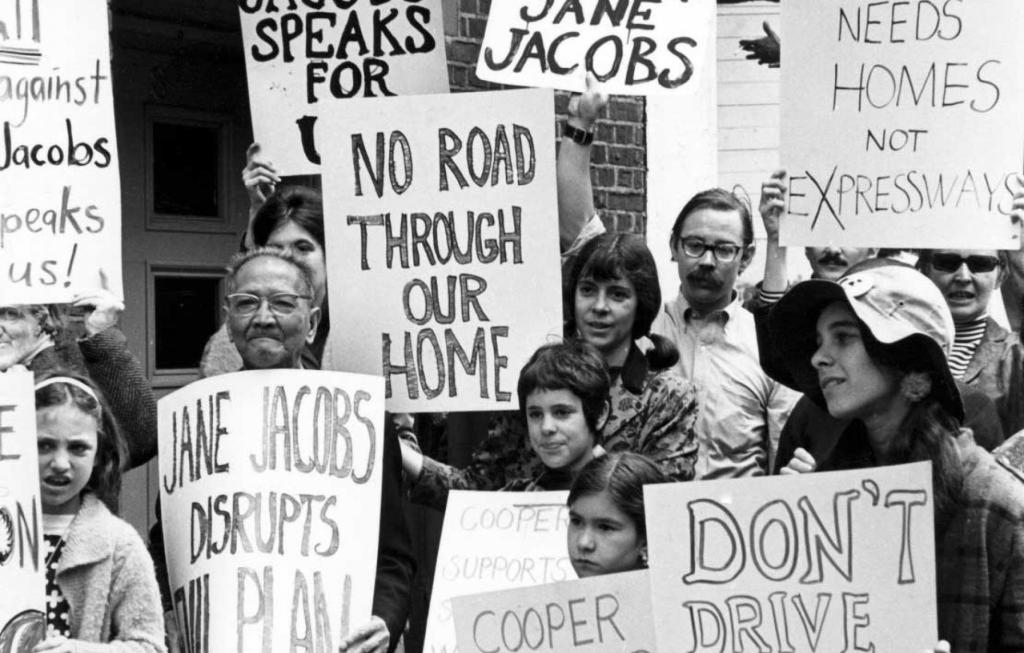
Freeway Fighters Across the U.S. Are Joining Forces — And They Want You
America's midcentury freeway revolts never really stopped — and now, the advocates behind them are joining forces to create what may be the largest organized national effort to prioritize communities over highways yet.
April 27, 2022
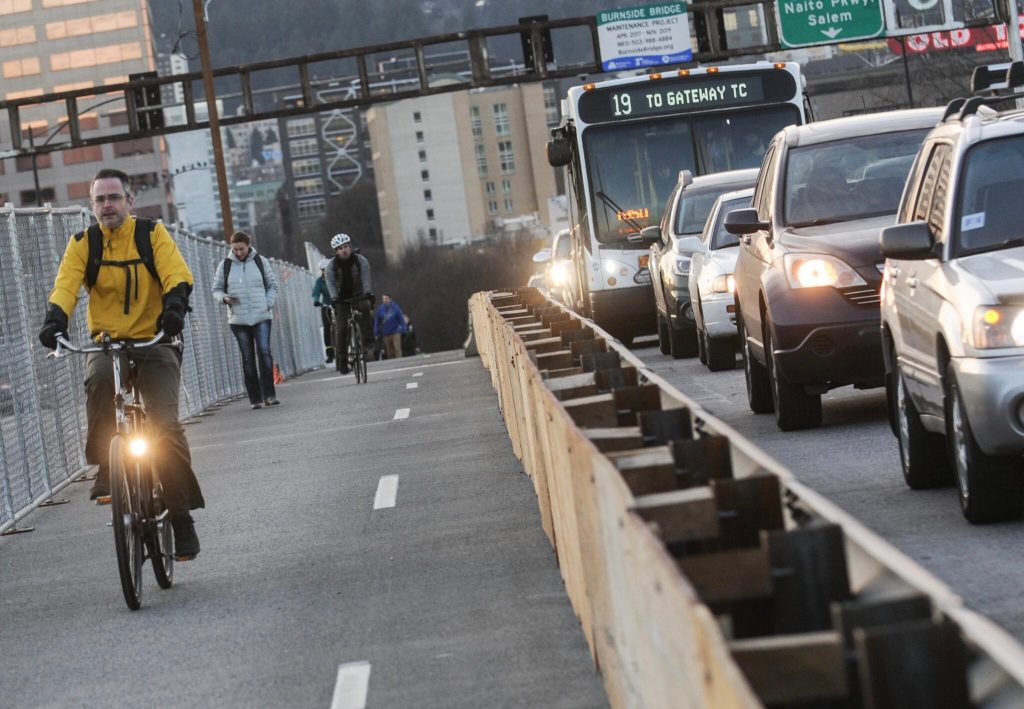
Two Big Reasons States Keep Expanding Freeways
Highway widening advocates offer up a kind of manifest destiny storyline: population and traffic are ever-increasing, and unless we accommodate them we’ll be awash in cars, traffic and gridlock. The rising tide of cars is treated as a irresistible force of nature. But is it?

April 22, 2022
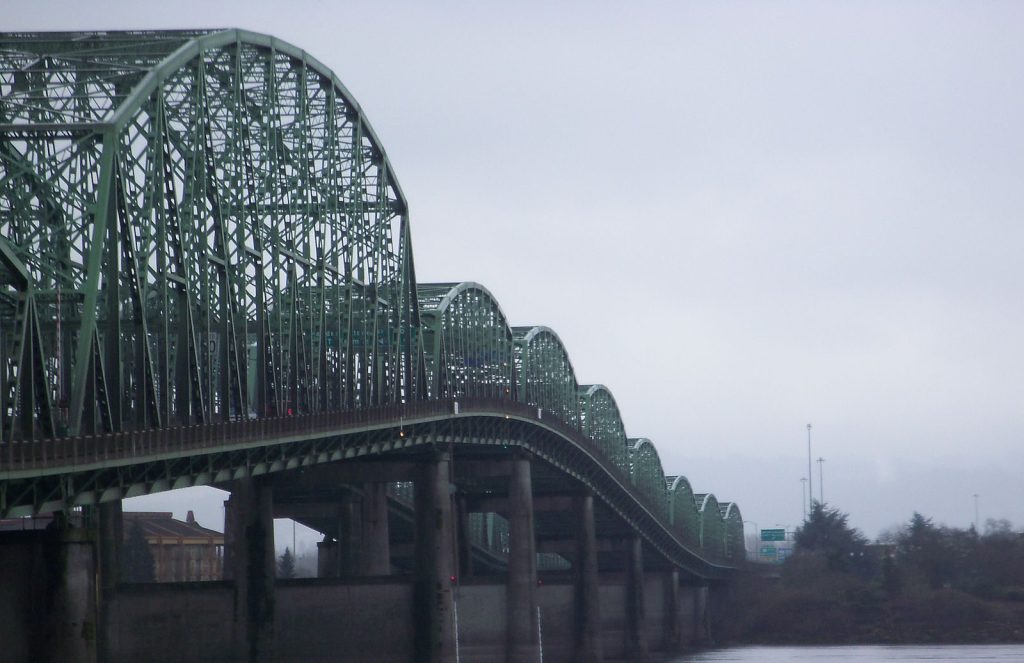
STUDY: 20 Is Plenty — But Signs Alone Don’t Always Get Drivers to Slow Down
Drivers did not slow really down after Portland lowered the speed limit in residential neighborhoods, but a new study suggests that the reason is more about road design than driver behavior.
February 2, 2022
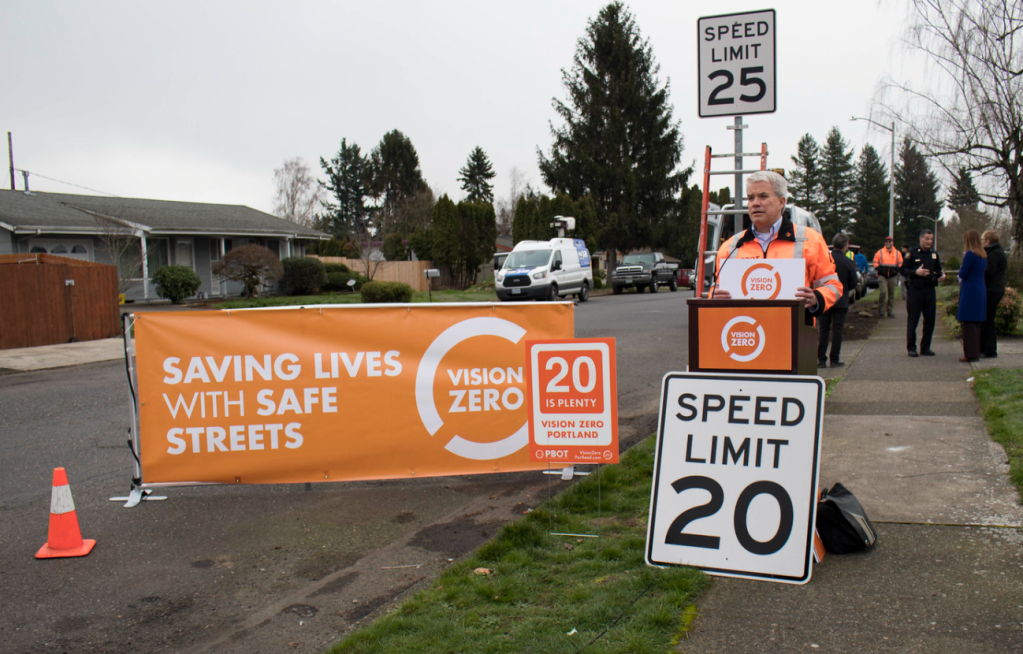
Oregon DOT’s Real Climate Plan: Keep on Polluting
The Oregon DOT’s “Climate Action Plan” claims the agency wants to decrease greenhouse gases, but its revenue projections show it is planning for gasoline consumption not to decline at all – meaning that carbon emissions don’t decline, either.
December 14, 2021
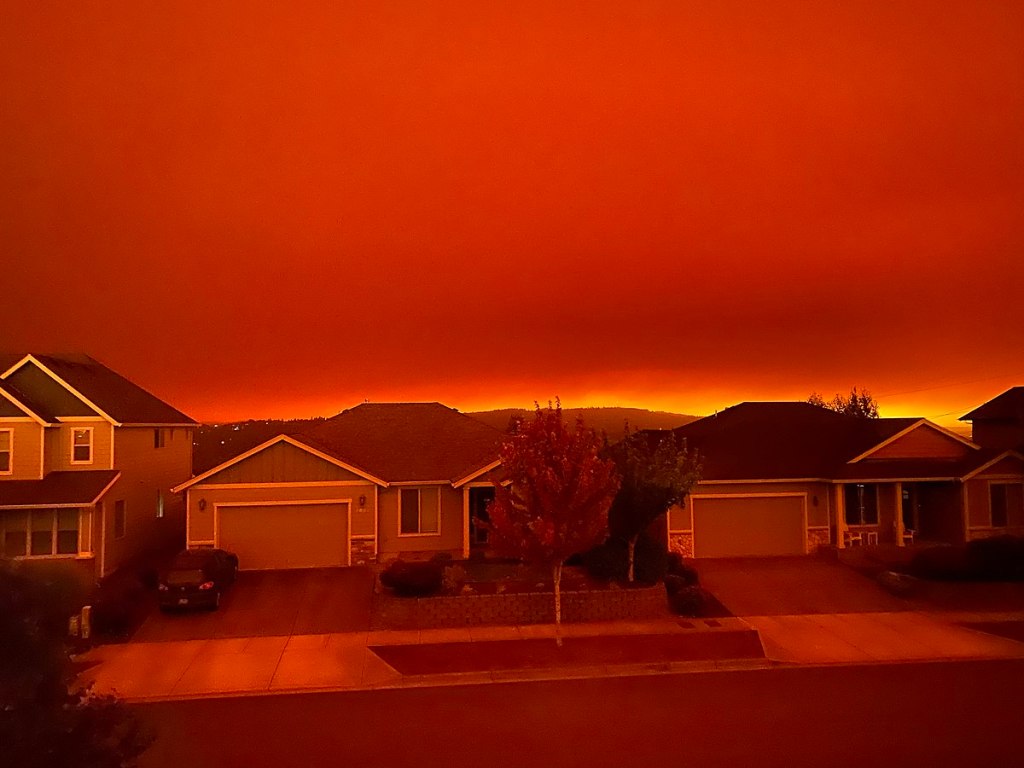
STUDY: U.S. Not Doing Enough To Stop Stoned Driving (or to Boost Transit)
Car crashes rose in Western states after the legalization of pot, a pair of new studies finds — but increasing access to transit may be the only sure-fire way to rein in stoned driving, especially without increasing police harassment of people of color.
June 22, 2021

How Portland’s Transportation Bureau Lied About Bike Lanes
"The best time to build a bike lane was 20 years ago. The second best time is now."

April 6, 2021
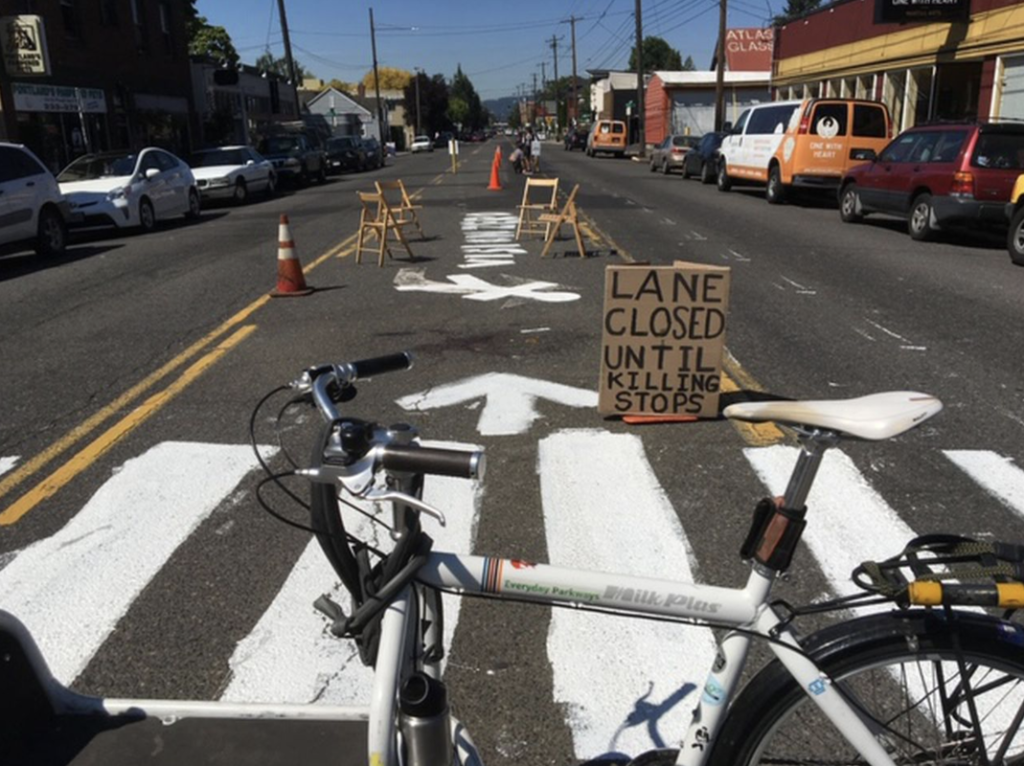
STUDY: How Race and Income Impact Road Safety in Oregon
A growing body of research has proven that incomplete and dangerous transportation infrastructure in lower-income areas has a disparate negative impact on Black, Indigenous and people of color. Now ODOT’s own analysis proves the existence of these impacts on BIPOC Oregonians for the first time.

March 10, 2021
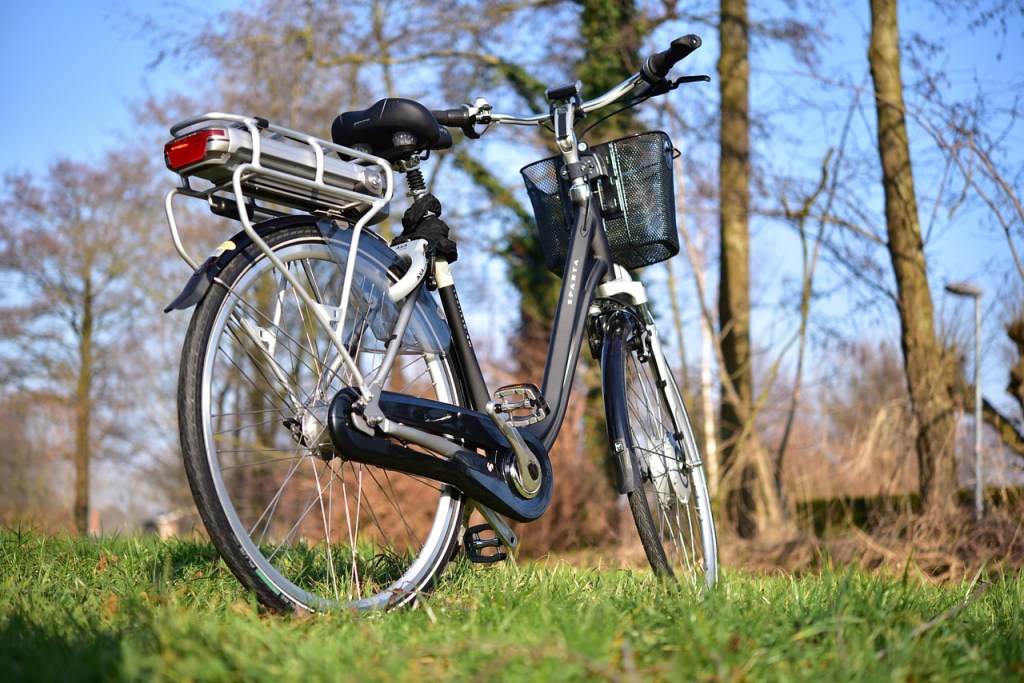
Increasing E-Bike Adoption Just 15 Percent Could Cut Emissions 12 Percent
A new study shows that just a 15-percent shift to electric bicycles in Portland would cut greenhouse gas emissions by 12 percent.
August 17, 2020