Thursday’s Headlines Play the Blame Game
Cities and states mostly work hand-in-hand to encourage sprawl, but it doesn't have to be that way.
By
Blake Aued
12:01 AM EDT on October 22, 2026
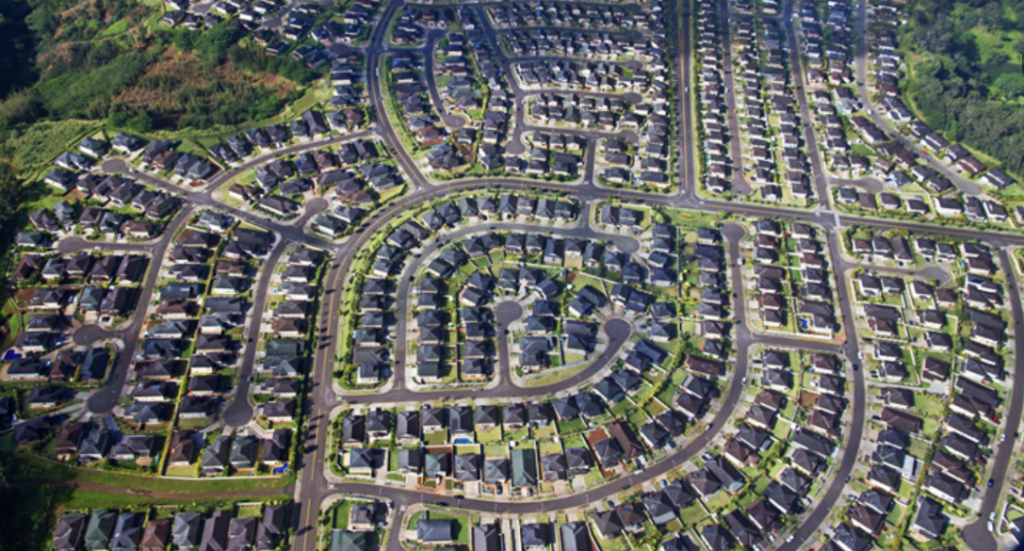
- Greedy developers who don’t care about aesthetics aren’t the ones to blame for suburban sprawl. The culprits are mainly state DOTs that keep widening highways and local governments that keep approving cookie-cutter subdivisions, and sometimes fractured metro governments and well-meaning environmental agencies. However, a few cities and states have been successful, through careful planning, in accommodating growth without more driving. (Governing)
- It would appear that Americans don’t want to buy electric vehicles even when gas prices are high, but the truth is that there simply aren’t enough of them for sale to meet demand. And when it comes to supposed savings from reducing fuel efficiency requirements, the math simply doesn’t math. (The Conversation)
- “Pass(ing) too close to cyclists” is a hell of way to describe an impatient driver who intentionally rammed through a group of bike riders who’d legally taken the lane, breaking one’s spine, but the Atlanta Journal-Constitution portrayed a man who did just that as the victim.
- Boston Mayor Michelle Wu is talking to New York City about congestion pricing. (NBC 10)
- L.A. Times columnist Steve Lopez wonders why it’s taken eight years for Los Angeles to build a people-mover when Walt Disney did it in a year.
- Houston drivers killed 10 pedestrians in a single year on Westheimer Road, making it one of the deadliest in the U.S. The Texas DOT has plans to fix it, but not until 2028. (Click 2 Houston)
- Oregon has a progressive method of funding transit through payroll taxes. (Urban PDX)
- The statistics say that crime is falling on Metro Transit, but Twin Cities riders don’t necessarily believe it. (MinnPost)
- Massachusetts lawmakers killed Gov. Maura Healey’s plan to suspend the state gas tax (CBS News). Probably a good thing, since in North Carolina almost 500 gas stations have been accused of keeping the extra profits for themselves (CBS 17)
- Raleigh was already aiming for Vision Zero by 2055 when a report listed it as having the highest crash rate of the nation’s 50 largest cities. (ABC 11)
- Hayden Clarkin argues that Rhode Island is making a mistake by moving its main transit station outside of downtown Providence. (The Transit Guy)
- Paris unveiled a plan for almost 100 miles of additional bike paths, safety improvements at 420 intersections and a new police unit targeting dangerous driving. (Cities Today)
- A Japanese study found that older adults living in dense, walkable neighborhoods are less likely to suffer from fractured bones. (Bioengineer)
- A Toronto photographer’s dog became an internet celebrity after the pair starting cycling together. (Momentum)

Blake Aued has been doing Streetsblog's daily national news digest for years. He's also an Atlanta Braves fan, which enrages his editor in New York.
Read More:
More from Streetsblog USA
Transportation Advocates Split on Senate’s Big Permitting Bill
Would the BAAJA blast multimodal projects out of bureaucratic purgatory, make it a breeze to expand highways ... or both? Advocates sound off.

November 11, 2026
How (And Why) To Capture the Livable Streets Movement on Film
Clarence Eckerson Jr. of Streetfilms talks with "The War on Cars" about how he uses filmmaking as a tool to make cities better.

November 10, 2026

Tuesday’s Headlines Are Still Surfing the Blue Wave
Politicians may not realize it, but U.S. voters are overwhelmingly in favor of transit.
November 10, 2026
The Growing Vehicle Problem That California Needs to Address
As pedestrian and cyclist deaths rise, the growing size and weight of American vehicles are making streets more dangerous. Here's some solutions: tax oversized vehicles, improve safety ratings and make smaller electric vehicles a more practical option for everyday trips.

November 9, 2026
How to Fight a Freeway 101
A new guide gives advocates the basics to building a campaign against harmful infrastructure in their neighborhoods — and the best time to start is now.
November 9, 2026