The Math On Car Ownership For New Parents Doesn’t Add Up

The question is always the same: “Now that you are having a baby, when are you getting a car?”
It comes from coworkers, friends, parents — people who trust us. And when we tell them we don’t plan on getting one, they react with bewilderment.
“Raising a child without a car? What are you, nuts?”
When we first found out that my wife was pregnant, obviously car ownership was not our first thought. It was absolute joy — then absolute ‘Oh hell, what are we doing?’ To readers in Chicago or New York, it is probably very common to raise a child without a car, but in most of America — even where we live, in middle-density Oakland — a car is deemed a requirement.
But if you really look at what cars are doing to children in our country, forgoing a car is one of the best things we can do — not only for our baby, but for all babies.
For comparison, think about another environmental pollution that is fading from America: smoking. Nowadays, smoking with your baby in the car is intensely frowned upon. Smoking with another person’s infant in the car? That’s downright anti-social. And both can even be crime.
Yet it is a well-known and well-studied fact that automobile pollution causes asthma in children. As parents, we all want the best for our child. So why would we contribute to detrimental outcomes for other parents’ children?
If we’re talking about detrimental outcomes, we also cannot ignore the massive carbon cost that comes with owning a car. Road transport makes up 28 percent of CO2 emissions globally, not considering climate-changing methane and NO2 emissions.
Many of my peers are simply not having children because of the fear that climate change will prevent their children from having a future. So why continue to contribute to the destruction of the planet when you have invested in a child’s future?
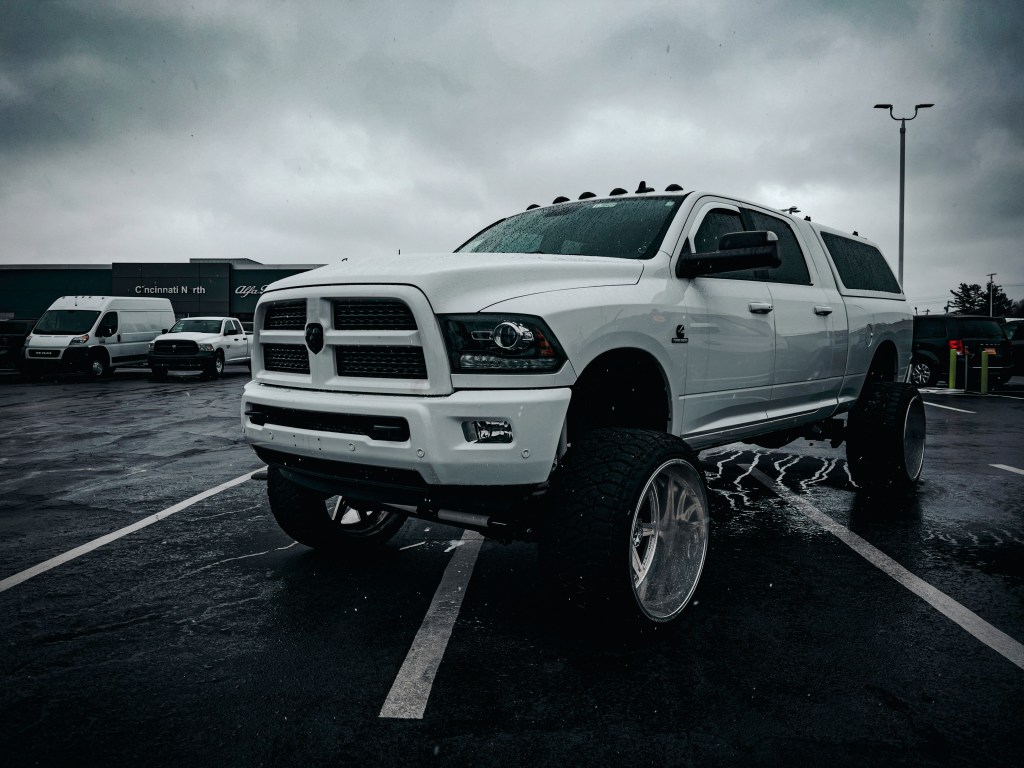
We also all know the risk factors for children don’t end with atmospheric conditions with cars. Because as drivers chase the paradoxical safety of riding inside bigger and bigger vehicles, children outside those vehicles are the ones suffering.
Massive trucks and SUVs fail to see children, whether they’re walking, biking, or strapped into the back seat of a smaller sedan. This stokes consumers’ concerns about their children getting hit by an SUV or truck … which leads them to buy SUVs and trucks in turn. And the cycle of bigification continues.
The only way to stop this cycle is to step outside of it. In 2024 alone, 795 children under 13 were killed by motor vehicles. We need to take this seriously — by getting cars off our streets.
Health outcomes aside, raising a child is a very expensive proposition. In the United States raising a child from birth to 18 costs over $300,000. Yet car ownership is a massive unseen debt that so many parents just assume they have to pay.
Ever since ridding ourselves of our car, we have been able to save much faster to prepare for our baby — all while living fairly normal lives, eating out at restaurants, and on occasion, traveling. The formerly hidden expense of the car has become a very visible savings in our budget.
In California, the average cost of a car is over $1,000 a month. Not having one means less time spent hustling for dollars and more time at home with the baby.
If the pollution, dangers, and cost of owning a car weren’t enough to deter expecting parents, there are also developmental arguments for raising children car-free. Kids who grow up not being driven from place to place end up having a better sense of direction and feel more connected to their community; they also grow up to be more independent, studies show.
American media has constantly been quick to judge parents and children alike for being addicted to video games, not going outside, and not being mature enough. Yet we continue to put children in metal boxes on wheels and shuffle them from place to place. If we are trying to give our child the best chance at a future, it’s crucial that we allow them to learn, grow, and use tools to navigate their neighborhood and use public transit.
“But what about emergencies?” our friends and family ask. “What happens if you want to get out of town? What about picking up bulky furniture for the child?”
Well, the good news about living in a car-dependent society is that cars are everywhere. So when the time comes and we need a car, we can rent, take a taxi, or even borrow from our very generous community. If even that is not enough, then we will consider purchasing a car — but why buy it before we even try to live without?
Of course, context matters; our research into raising a child car-free has mostly looked at denser cities, like New York or Chicago. But at the end of the day, maybe our communities won’t become more transit, pedestrian, or cycling-friendly until more Americans take on the challenge of forgoing the car ourselves — even with a baby.

Streetsblog has migrated to a new comment system. New commenters can register directly in the comments section of any article. Returning commenters: your previous comments and display name have been preserved, but you'll need to reclaim your account by clicking "Forgot your password?" on the sign-in form, entering your email, and following the verification link to set a new password — this is required because passwords could not be carried over during the migration. For questions, contact tips@streetsblog.org.