

Rail
Basics
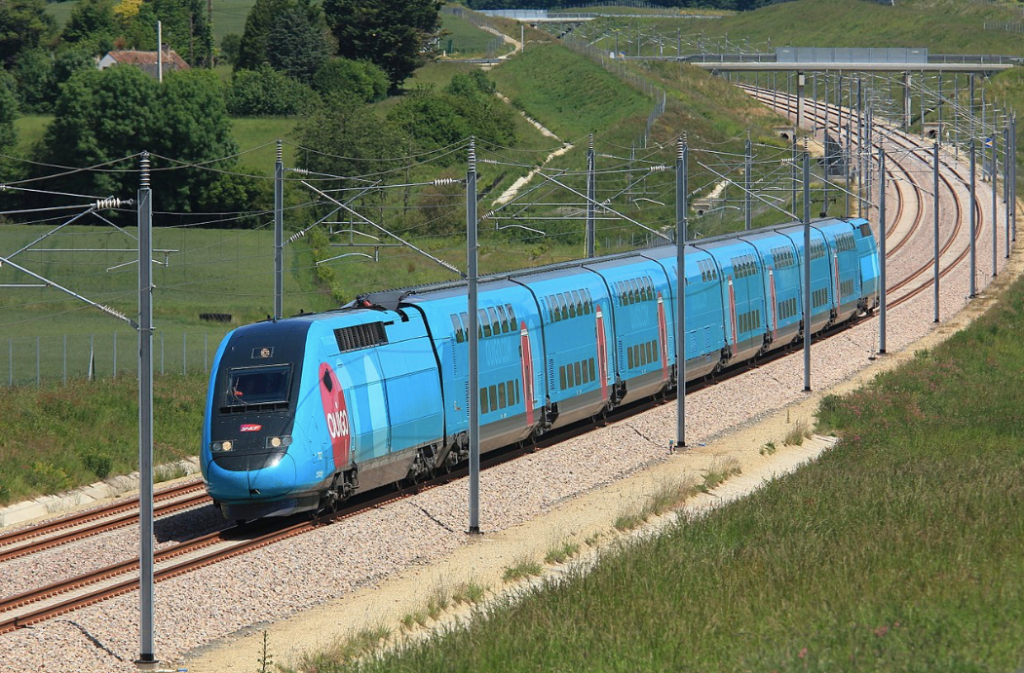
U.S. Finally Legalizes Modern, European-Style Train Cars
Finally, U.S. trains will no longer have be be designed like “high-velocity bank vaults" thanks to long-awaited changes in federal regulations.

November 23, 2018
Streetfilms Falls in Love with Miami’s Metromover
Transportation documentary Clarence Eckerson went to Miami and all we got was this damn must-see video!

October 22, 2018

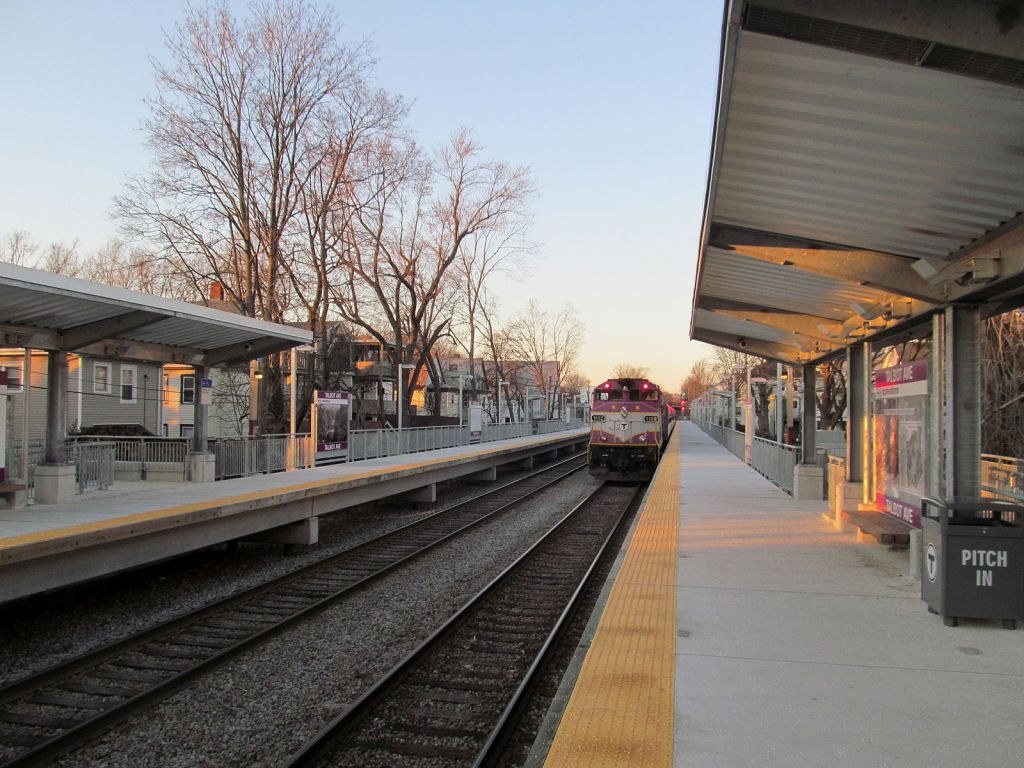
Boston’s Fairmount Line Could Be a National Model for Commuter Rail, But It’s Not There Yet
Commuter rail in the United States mostly caters to affluent suburbanites who commute to the city center. Even though these lines pass through working class city neighborhoods that stand to benefit enormously from better transit, the service they provide passes those communities by. It doesn't have to be that way.

July 31, 2017
Charlie Baker’s Transit Policy Isn’t About What’s Best for Boston — It’s About His Image
Massachusetts Governor Charlie Baker has carefully cultivated the image of a business-minded Republican intent on running government more efficiently. But when it comes to transit, Baker's spending priorities are not consistent with his pragmatic persona.
March 7, 2017
What American Commuter Rail Can Learn From Paris, Part 2
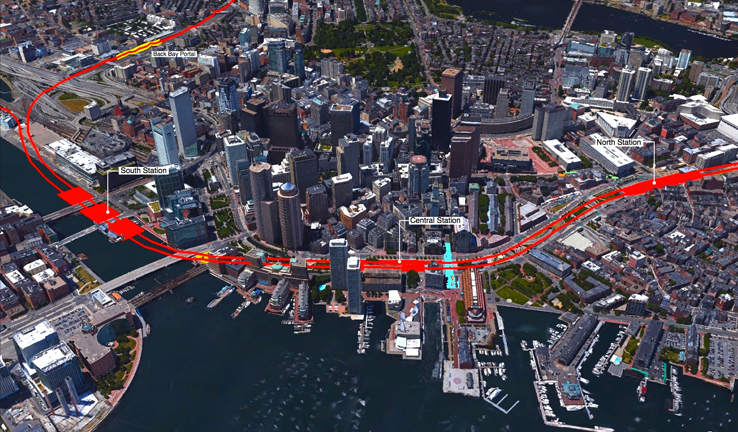
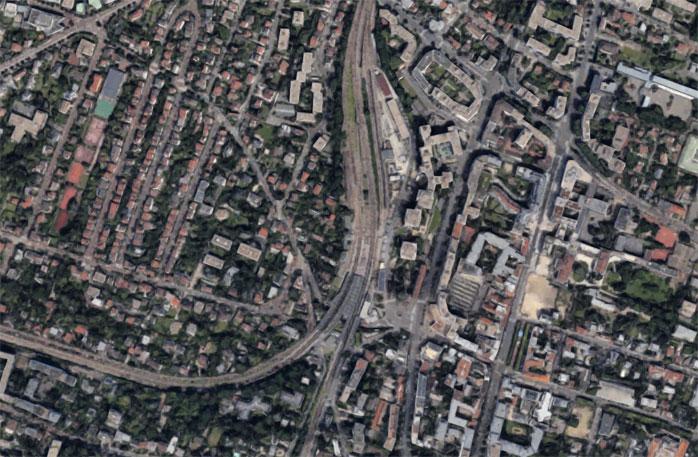
In Europe it's common for regional rail systems to get ridership comparable to that of the subway in the central city. But in America, this is unheard of. One reason for the discrepancy is land use: American commuter rail stations are typically surrounded by parking, while in the Paris region you see a different pattern with ample development next to suburban train stations.
February 15, 2017
What American Commuter Rail Can Learn From Paris
In the U.S., regional rail is mostly good for one type of trip: the commute. But in Paris, regional rail is oriented toward all types of trips, and people ride throughout the day, not just at rush hour. One key to success is running frequent, predictable service all day long.
February 13, 2017

Federal Regulators Will Let U.S. Railroads Run Faster, More Efficient Trains
Why are American trains so expensive and yet so slow? One factor that rail advocates often point to is the Federal Railroad Administration and its rail safety regulations -- rules that are finally on the verge of changing.
November 30, 2016

When Will the Feds Stop Outlawing Railcars Used By the Rest of the World?
The removal of 115 railcars from service in Philadelphia last week was the latest example of the troubles American commuter rail agencies face when purchasing rolling stock. Thanks to cracks in a critical component of the railcars, riders are looking at severe service reductions for at least the entire summer. While U.S. DOT floated a regulatory change that could prevent similar failures, it's been tied up in the federal bureaucracy for three years.
July 13, 2016
How Federal Rules Make It Harder to Build Trains in America
The Wall Street Journal's Bob Tita broke the news yesterday that the manufacturer of 130 new Amtrak railcars is years behind schedule, and probably won't complete the order before the federal funding for it expires. How did this happen?
April 12, 2016
$8 Billion Expansion of Atlanta Transit Clears First Hurdle
Atlanta's regional transit network, MARTA, isn't known as a dynamic, growing system. While cities as varied as D.C., Minneapolis, and Houston have rolled out new high-capacity transit routes, MARTA has stagnated.
February 24, 2016