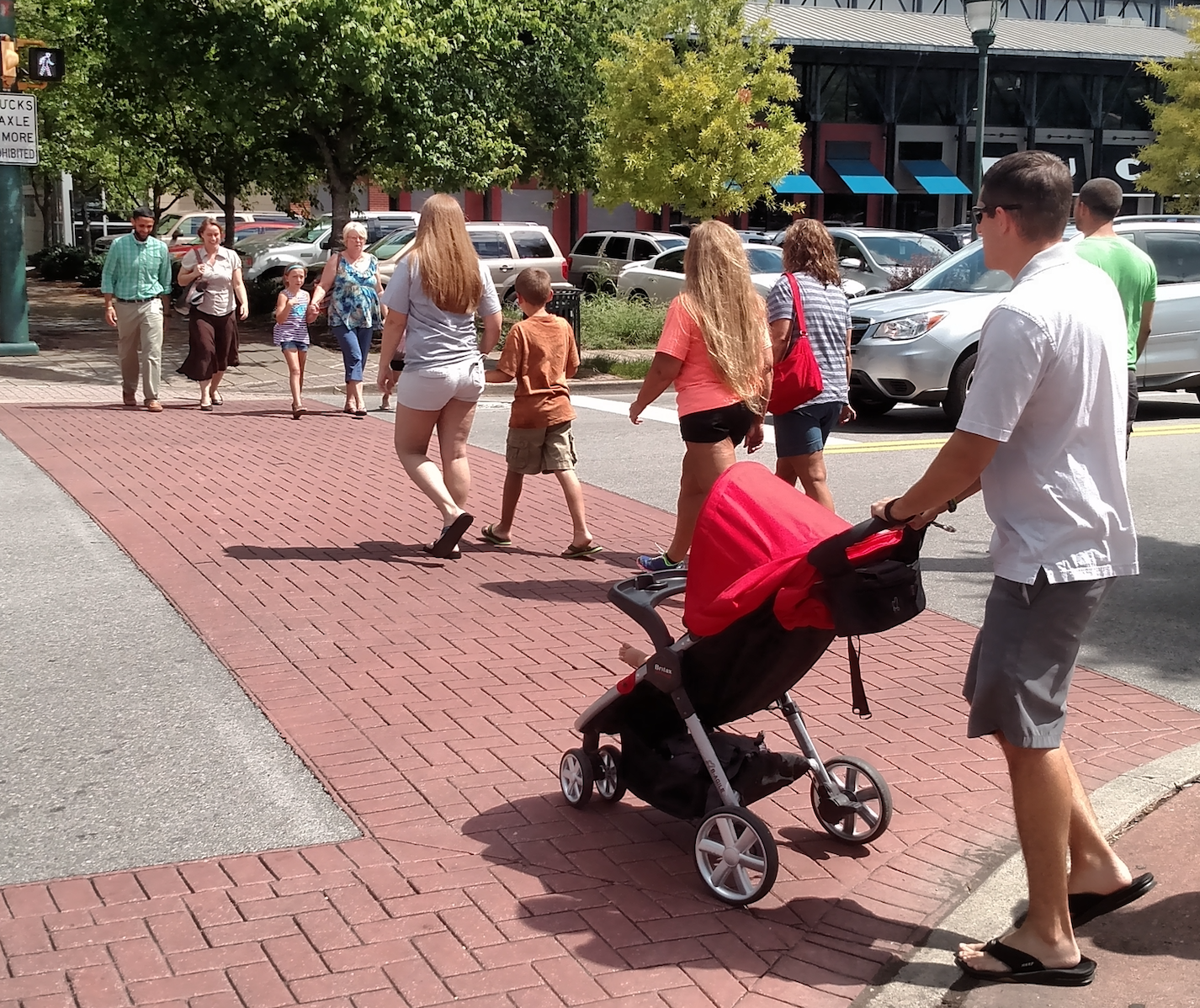
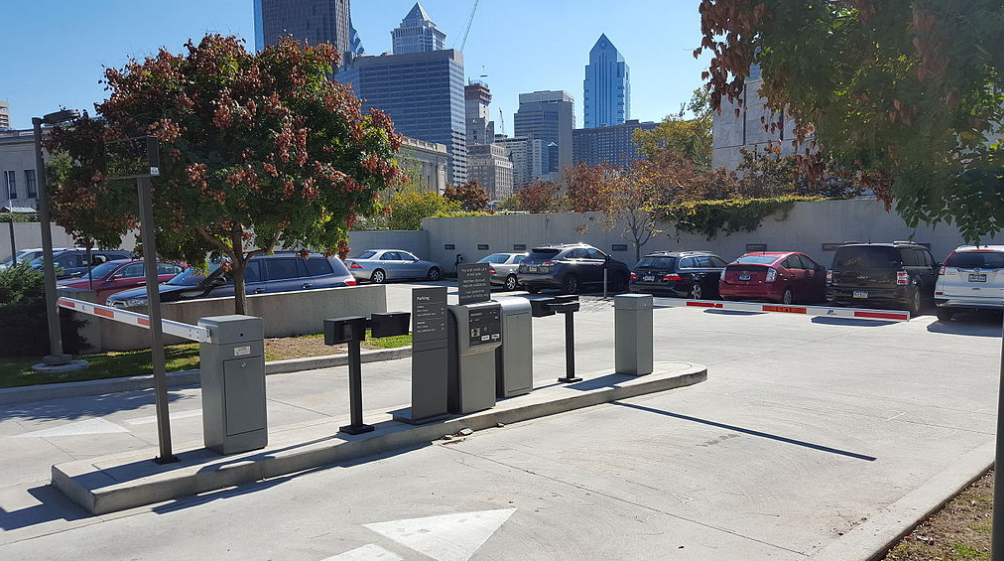
In many American cities, free on-street parking remains more abundant than affordable housing. Despite the housing crunch spreading to more urban areas, the politics of parking threatens to keep it that way.
Philadelphia has been moving in the right direction. A few years ago, the city enacted reforms to its zoning code to lower parking requirements in new development, enabling more housing to be built at more affordable prices. But those changes have set off a backlash. City Council President Darrell Clarke wants to roughly double the city's parking requirements in certain areas, after residents complained about the difficulty of finding on-street parking.
Jake Blumgart at Plan Philly reports that the bill is getting pushback from developers and policy experts who warn it will drive up the cost of housing and increase traffic:
Housing developers were also confused by the new bill. Although concentrating focus on an inclusionary housing bill introduced by 7th District Councilmember Maria Quiñones-Sanchez, development interest groups worried Clarke’s bill would drive up the cost of housing.
“Doubling the parking requirement will cripple a lot of projects in CMX-4 and CMX-5,” said Brian Emmons, president of the Building Industry Association (BIA), in reference to the city’s two densest zoning categories. “Often due to site specific restraints, there’s only one way to go and that’s down. But underground parking is already very expensive to build. In a lot of these larger projects, the cost of each [underground] parking space could be $80,000 to $100,000.”
Many of the spaces required by the current, lower minimum already sit empty, developers told PlanPhilly.
The bill also faces opposition from the Philadelphia Association of Community Development Corporations.
“Increasing parking requirements requires deeper subsidies for affordable housing,” says Beth McConnell, the policy director for PACDC. “It would mean fewer units being built at a time when there aren't even close to enough resources to meet current demand for affordable homes. This would make it even harder.”
The BIA’s Emmons agrees with Clarke that there is a parking problem in Philadelphia, but says the real issue is the acculturated norm of free on-street parking. For decades, as the city’s population fell and there were few new residential developments, many residents grew accustomed to parking for free, right in front of their homes.
More recommended reading today: The Raleigh Connoisseur reports on a crowdfunding initiative to raise $20,000 for a temporary protected bike lane on a downtown street. And Streets.mn says a new transit study falls into the common trap of emphasizing development opportunities instead of high-quality service.