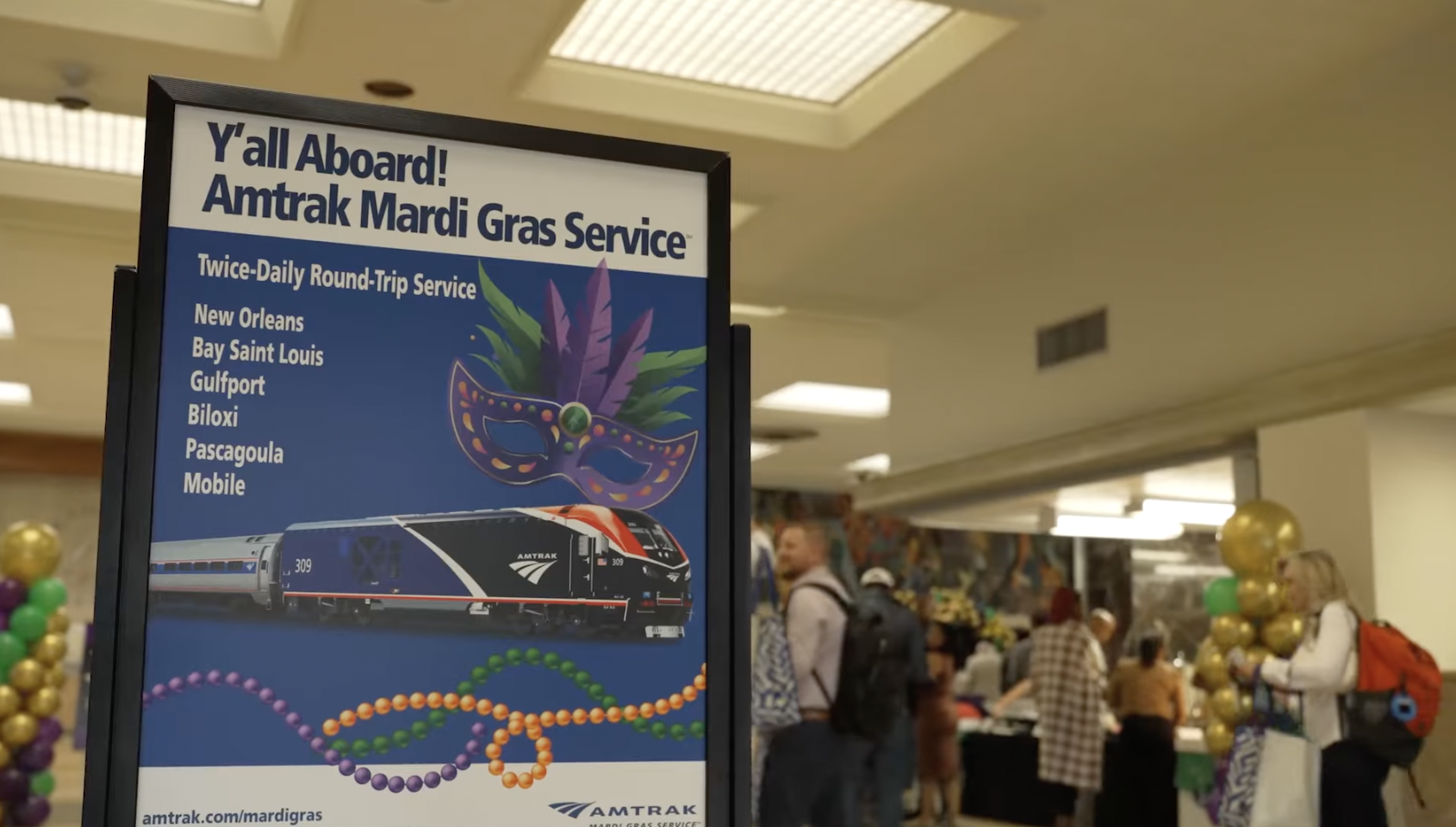

Bus rapid transit projects in Austin, Tampa, and the Twin Cities. Streetcars in St. Louis, New Orleans, and Detroit. Those are just a few of the transit projects beginning construction or entering service in 2013, which looks to be a pretty good year for transit expansion in the U.S., says Yonah Freemark at the Transport Politic.
Roughly $64.3 billion in transit expansion projects will begin construction this year alone, says Freemark, although the investment is somewhat uneven:
What is evident is that certain cities are investing far more than others. Among American cities, Denver, Honolulu, Houston, Los Angeles, New York, San Francisco, Seattle, and Washington stand out as regions that are currently investing particularly dramatically. Toronto has the biggest investments under way in Canada. These metropolitan areas have invested billions of local dollars in interconnected transit projects that will aid in the creation of more livable, multimodal environments. Dynamic, growing cities require continuous investment in their transit systems.
But Freemark adds that the next stage of budget negotiations following the New Year's Eve "fiscal cliff" drama could have a major dampening effect:
Under the just-inked bipartisan compromise to head off the fiscal cliff, transportation funding will not be affected in the short term. But an 8% reduction in federal discretionary spending (the “sequester”) — a threat that has yet to be neutralized — remains official policy and will be enforced on March 1st if no compromise is reached. That 8% cutback would reduce funding for the New Starts program, which funds most major new transit expansion projects, by $156 million in 2013 alone. Payments to the Transportation Trust Fund, which provides funding for transit maintenance programs and the purchase of new buses and trains (as well as money for highway projects), will decline by $471 million in the same period.
This is no phantom menace. Congressional Republicans in the U.S. House have demonstrated a deep-seeded desire to cut federal spending. The Obama Administration and Democrats in the Senate have shown themselves willing to compromise to a significant extent, and transportation is unlikely to be spared. The result could be significant cutbacks in funding — cutbacks that states and cities are unlikely to make up with their own revenues. Investments from Washington make transit expansion possible.
Elsewhere on the Network today: Portland Transport shares a recent Todd Litman article about how the way we measure transportation outcomes -- hello, Level of Service -- affects the way we design our cities. Reconnecting America checks in on the American exurbs and finds good news for cities. And B'more Bikes takes a close look at the town of Towson's plans for a "bike beltway" near Baltimore.